What keeps recurring
The studio doesn't work from a signature look, but certain instincts surface again and again across the projects. These are the six that run deepest — read across houses rather than within them.
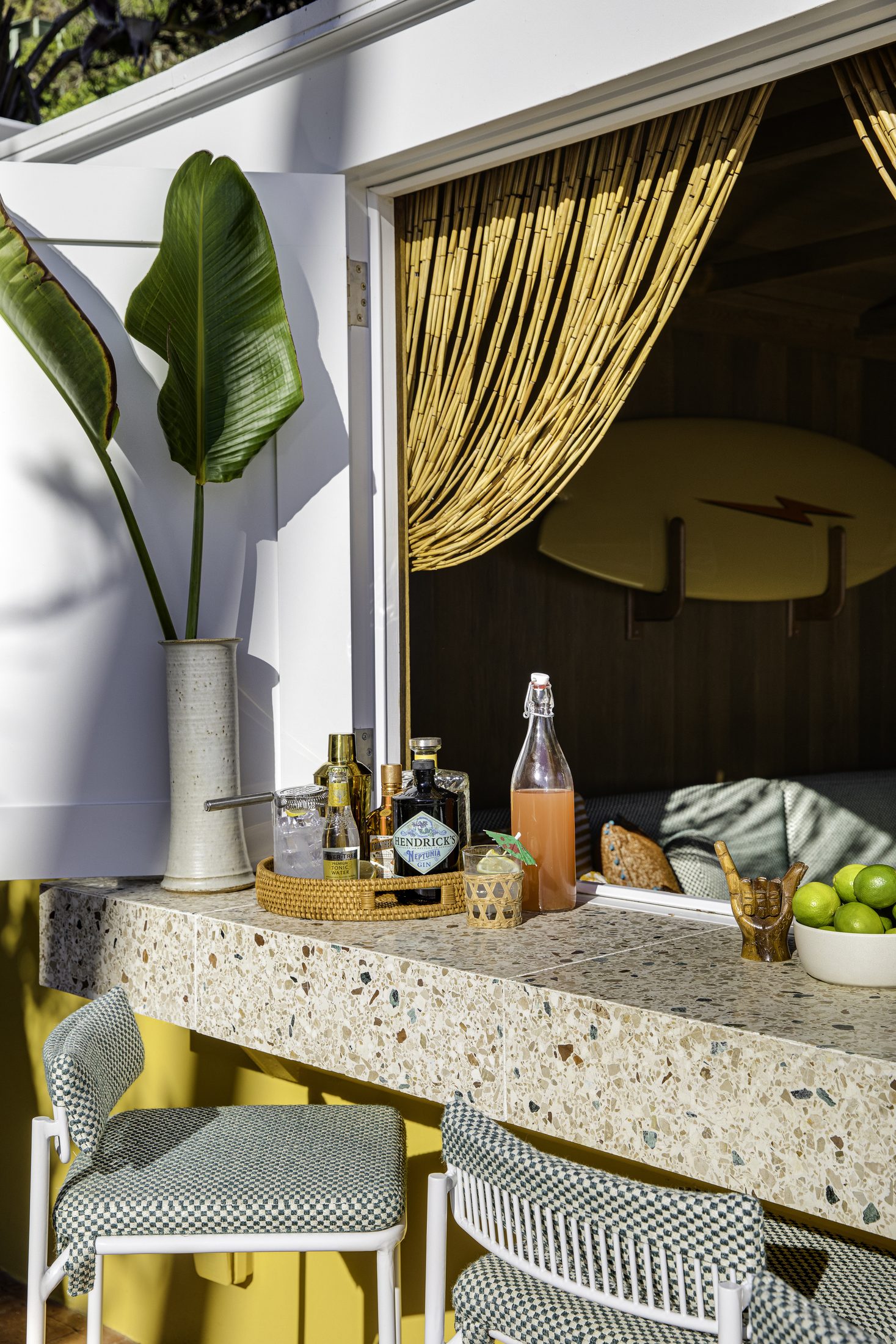
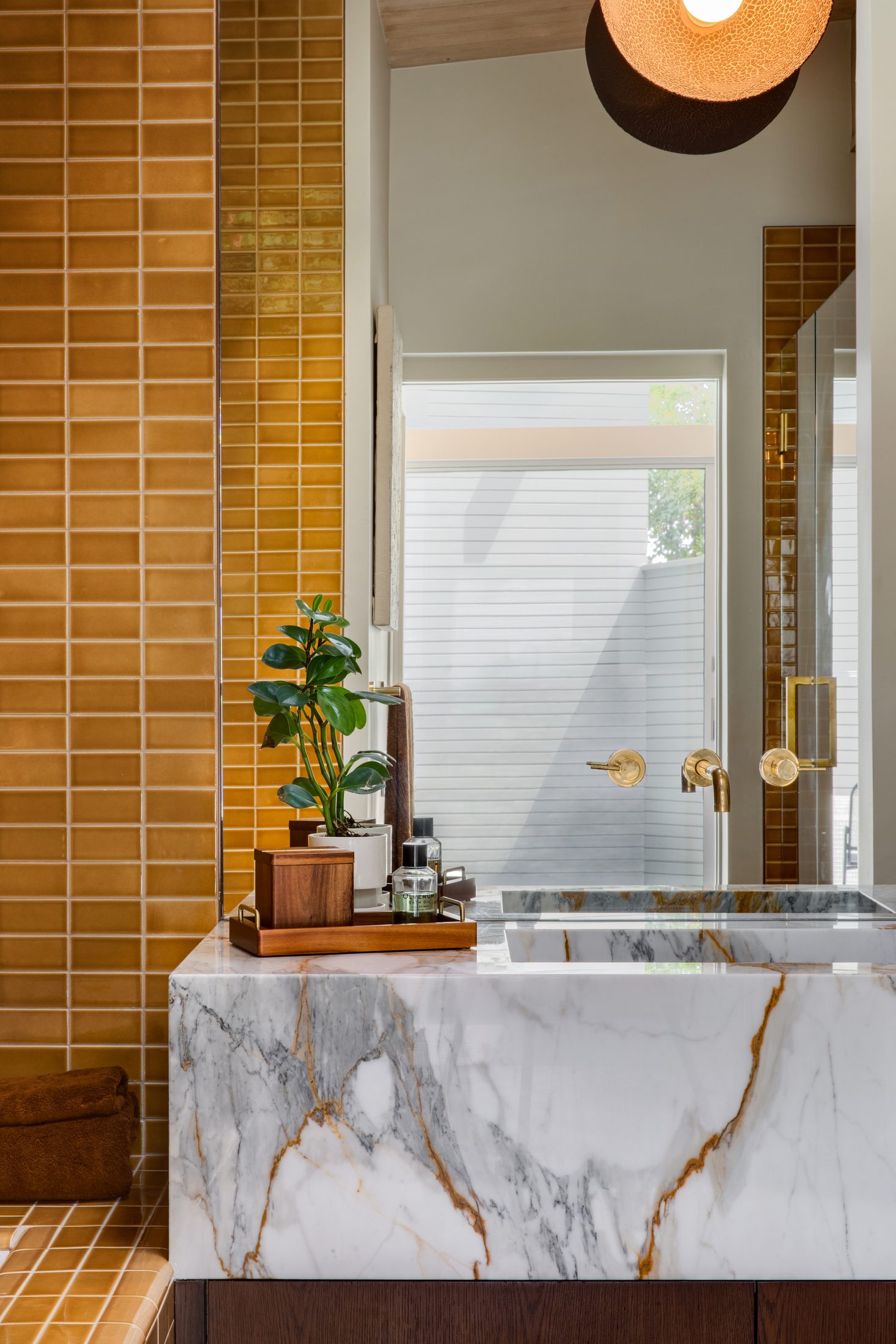
Color, used structurally
Ochre, chrome yellow, sea green, deep blue
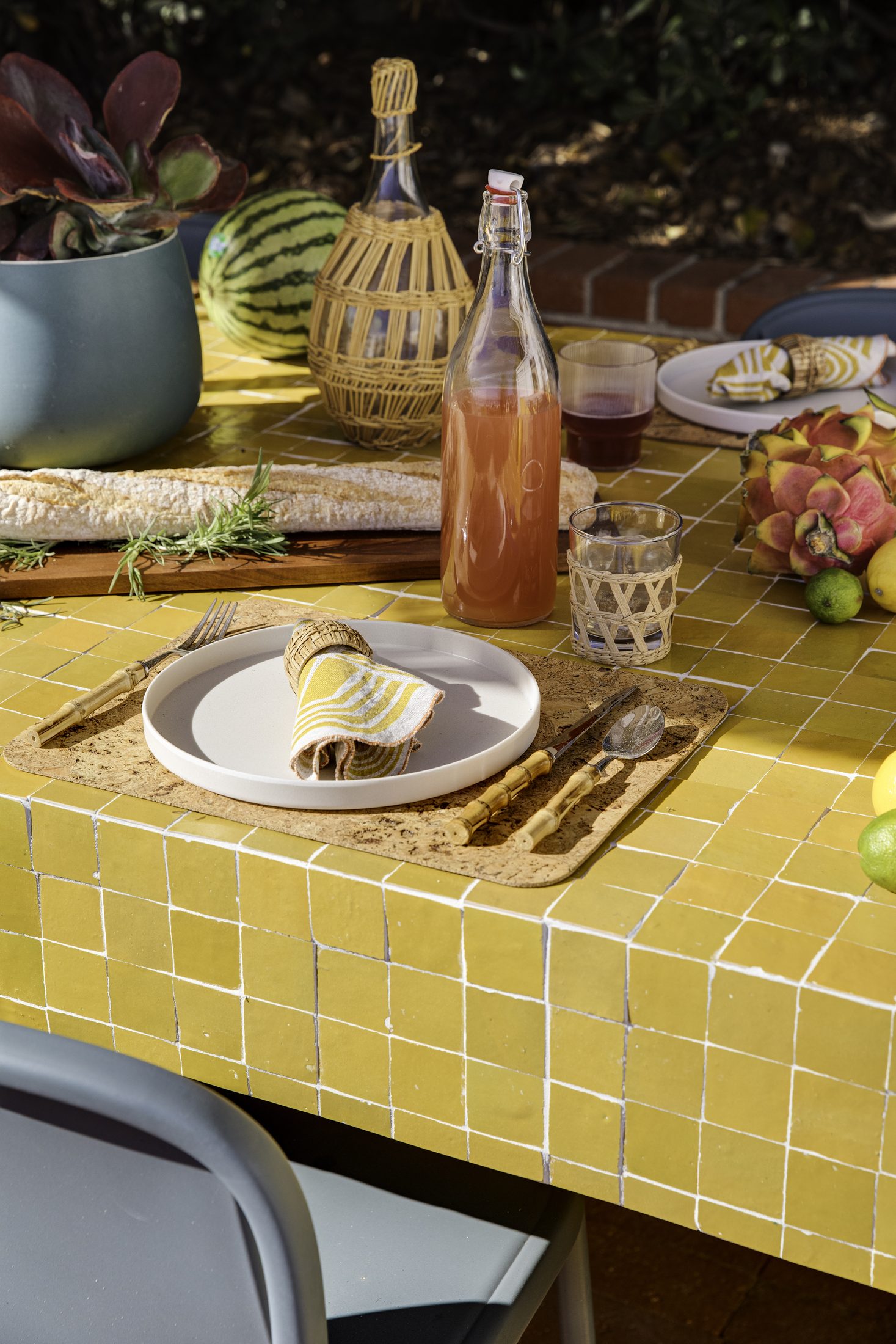
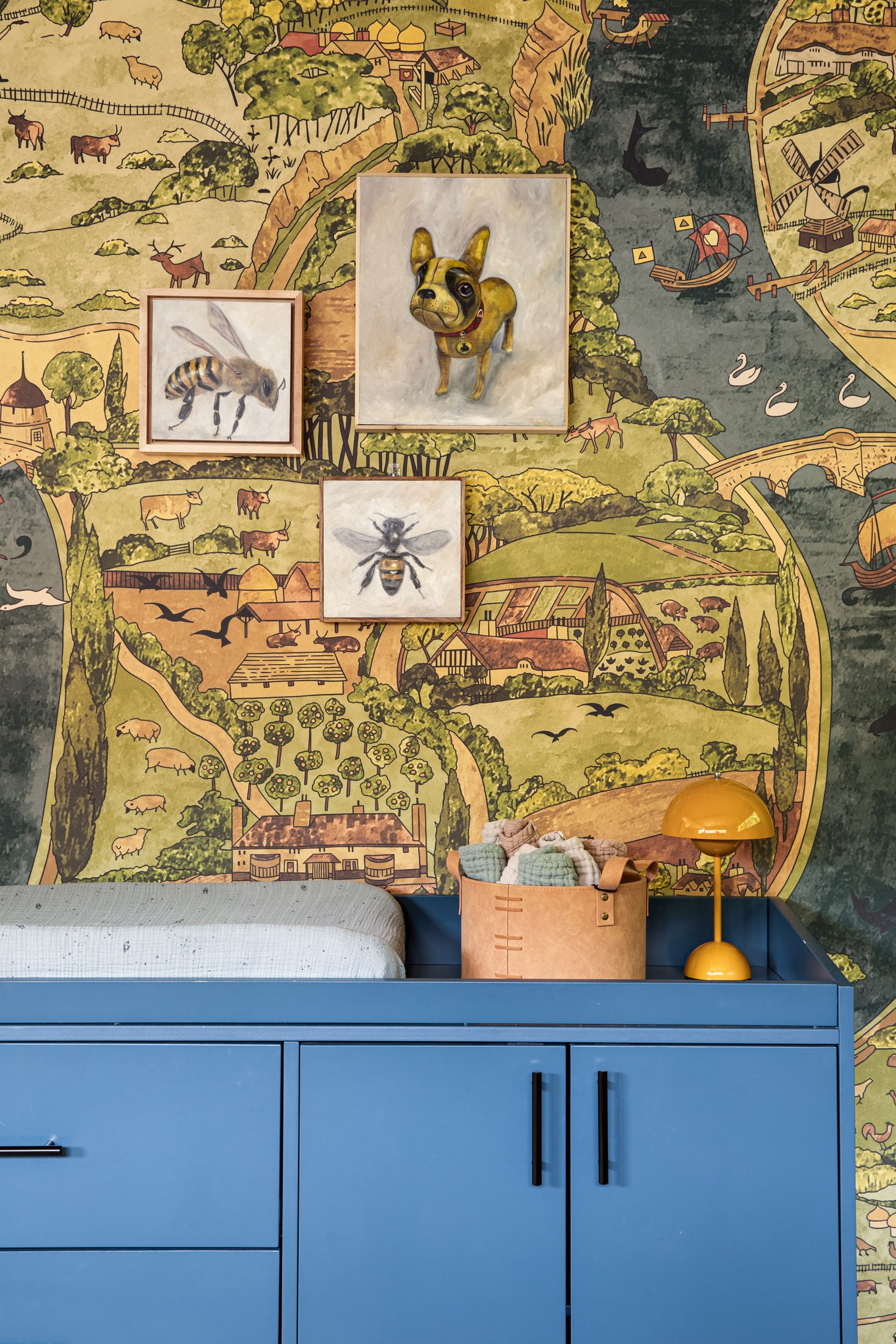
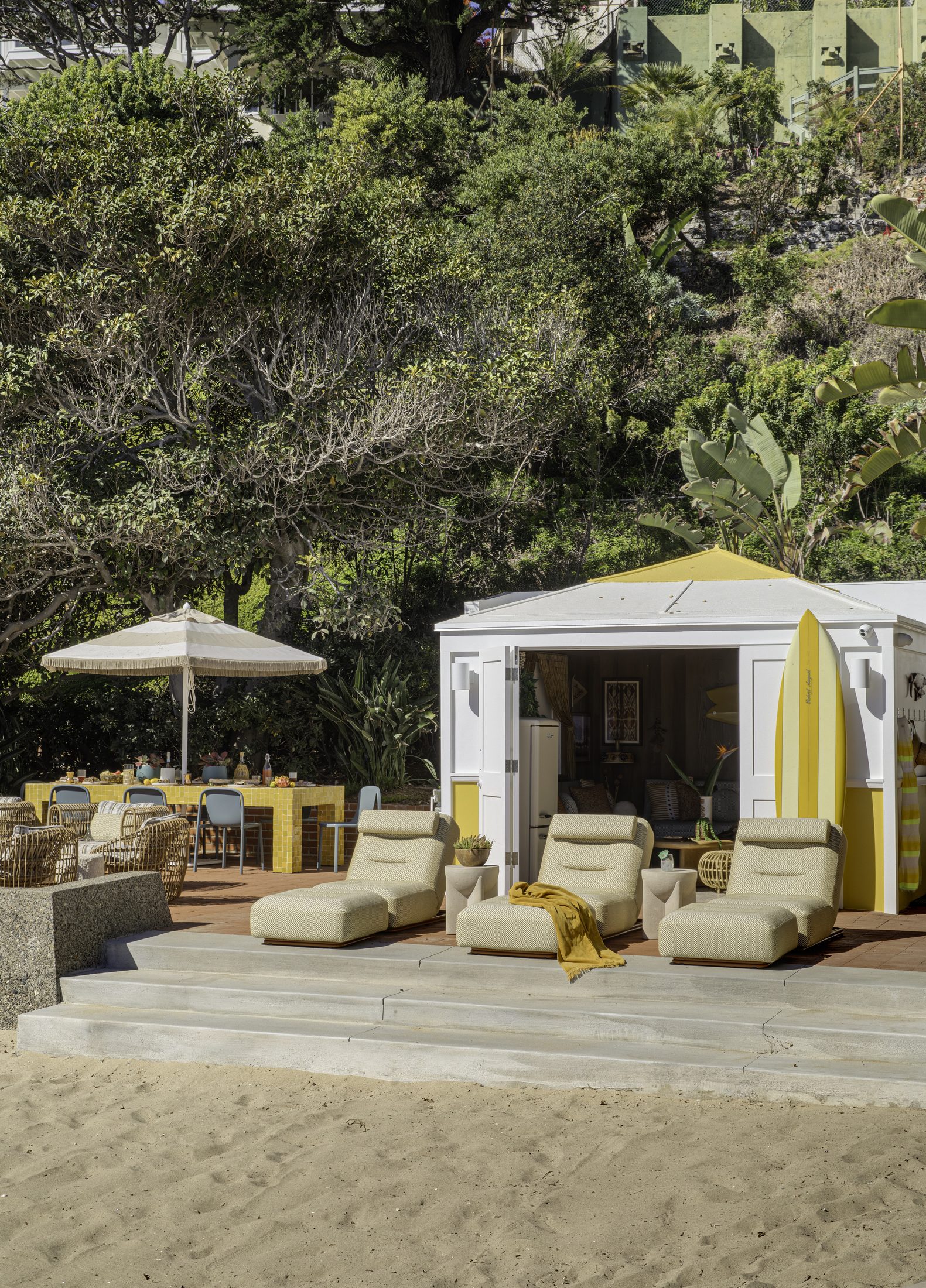
Color is never applied as decoration. It arrives as a material — glazed tile, veined marble, painted joinery — so a single hue can define a whole room and hold up to daylight, salt air, and years of use.
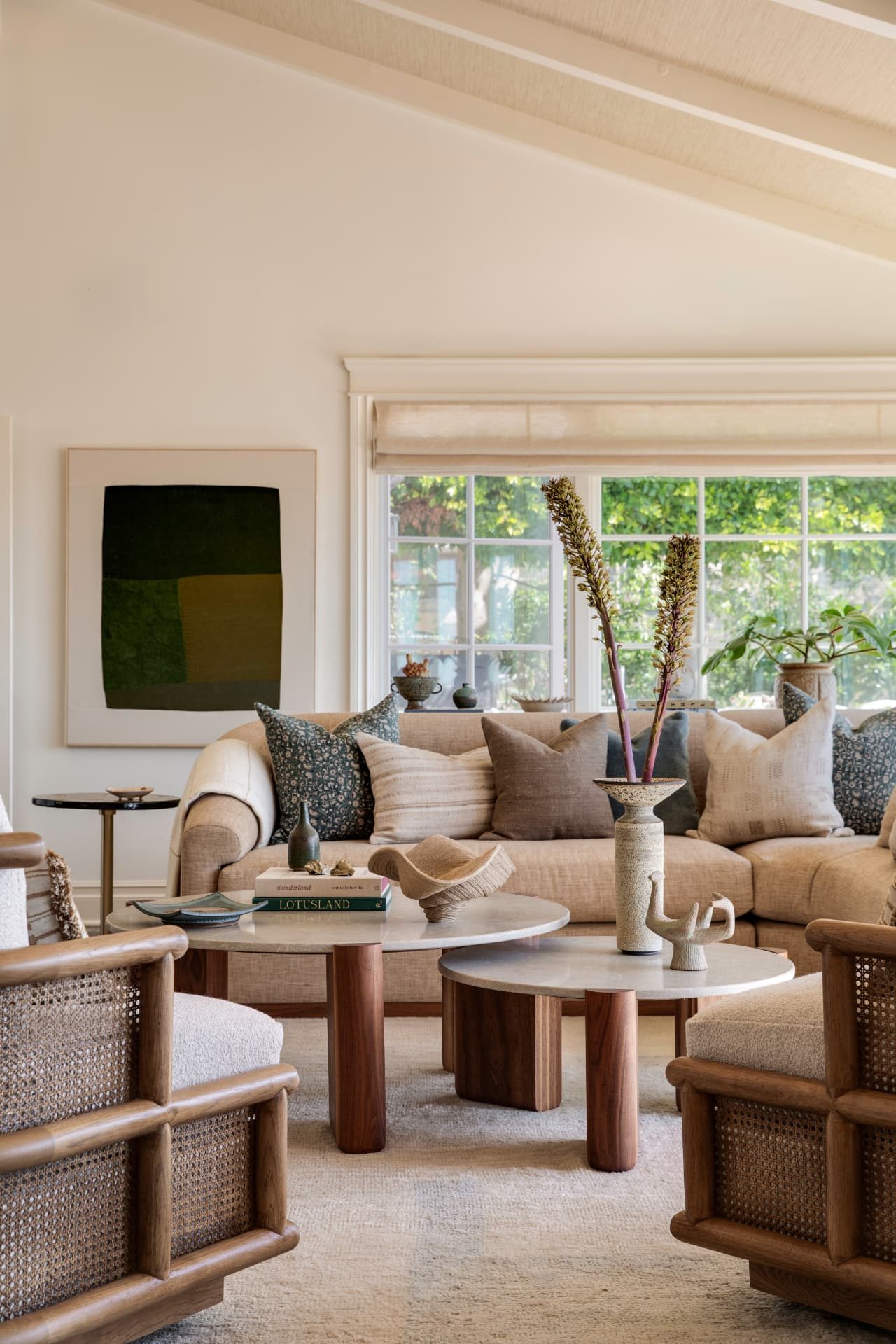
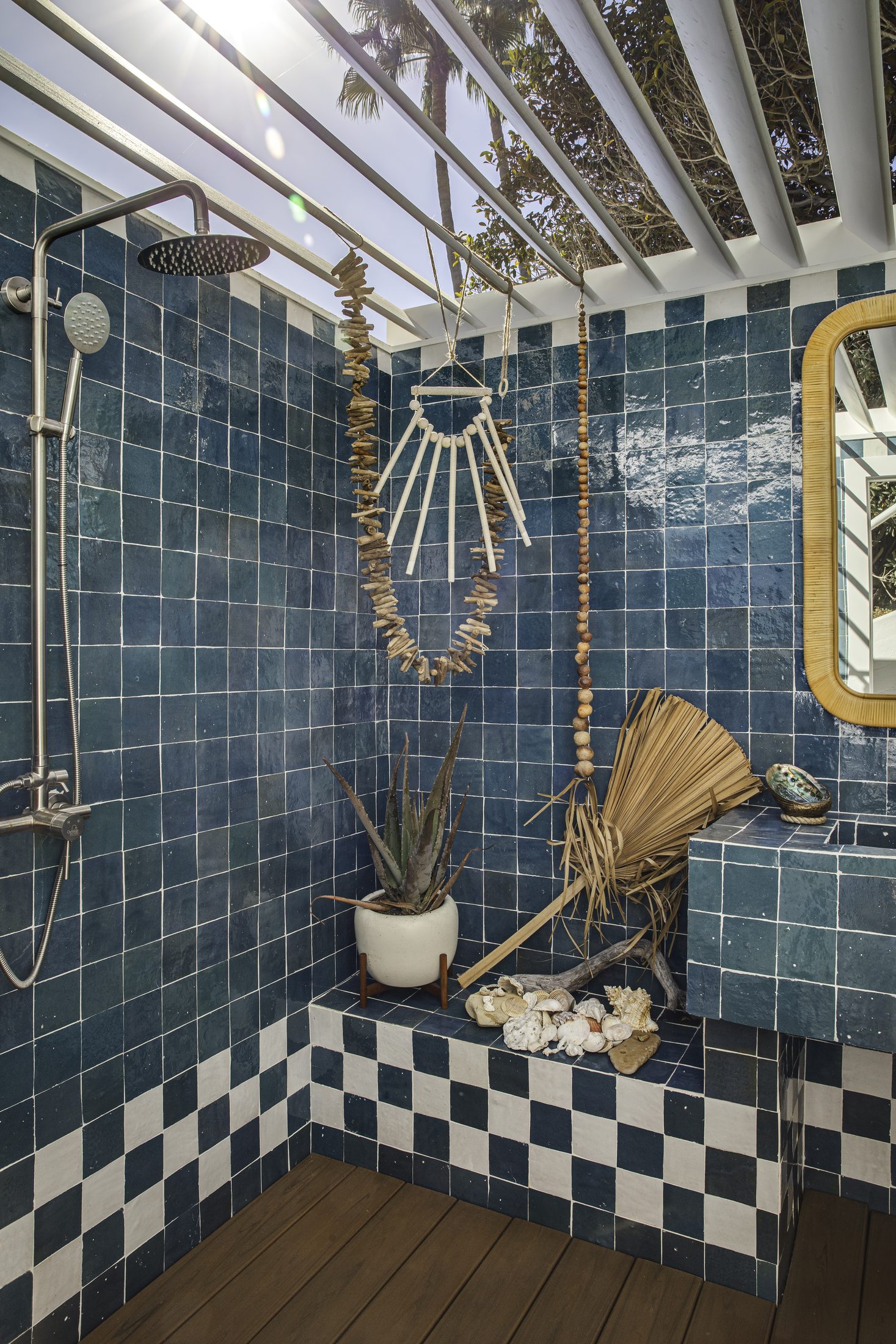
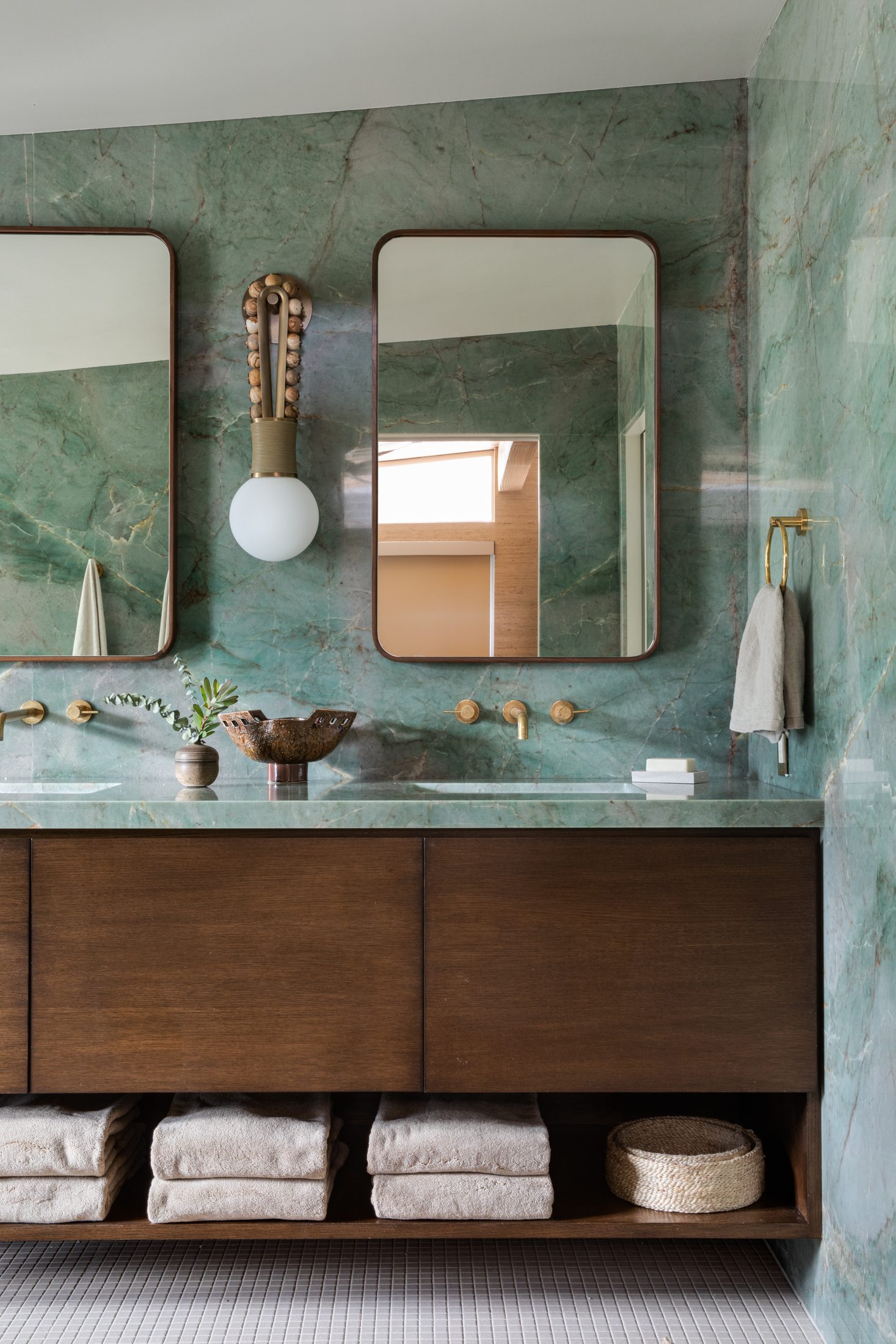
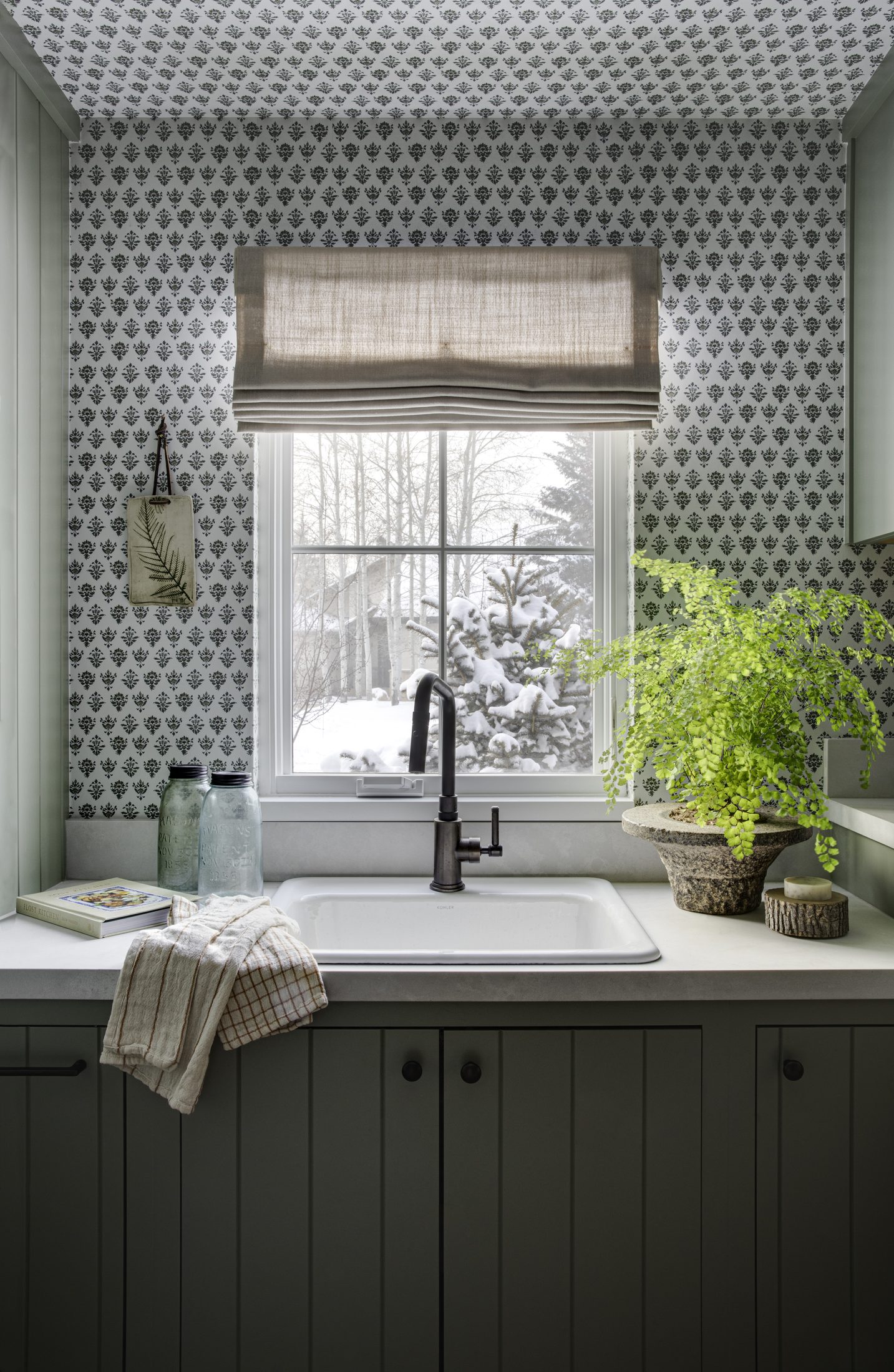
Neutrals with depth
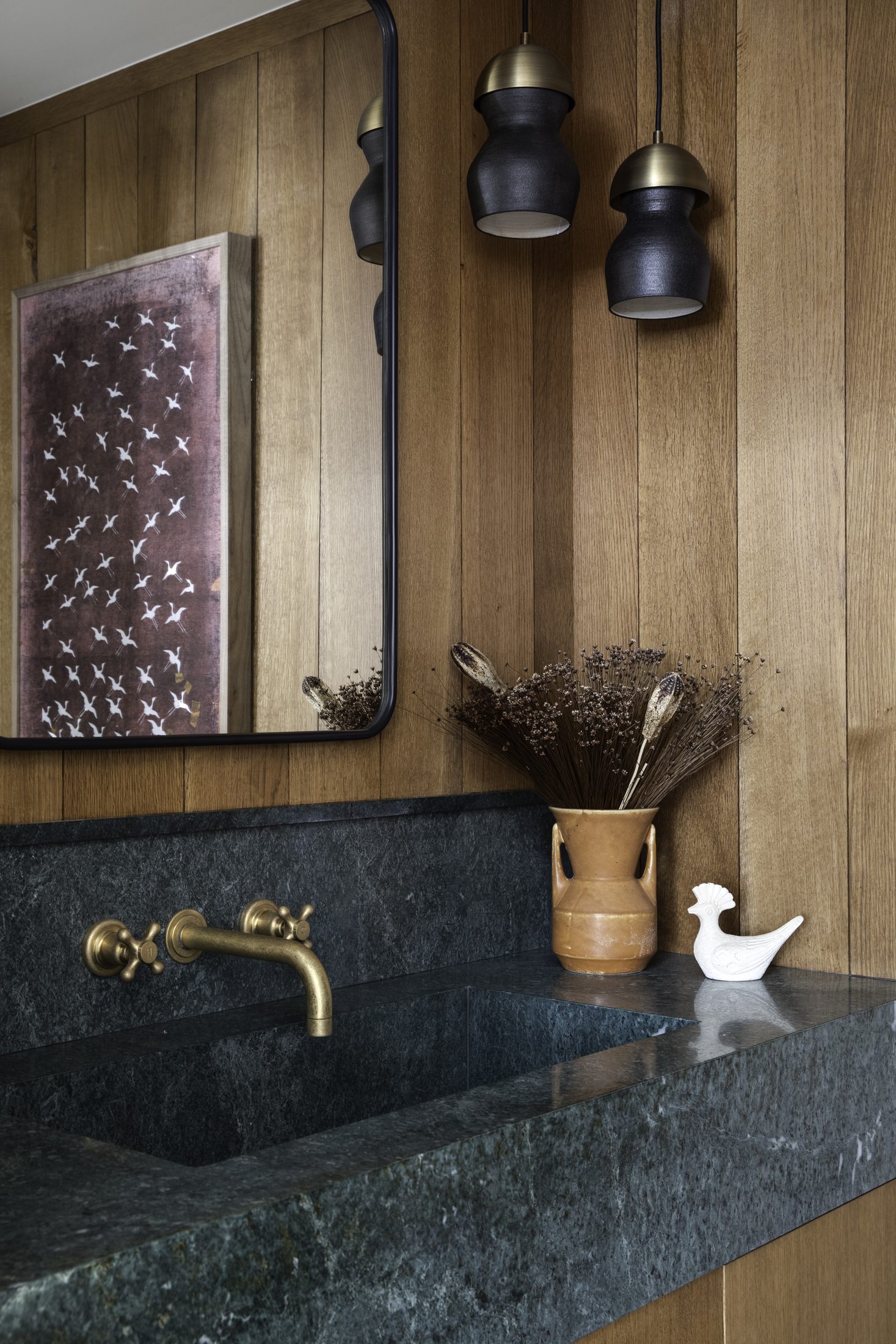
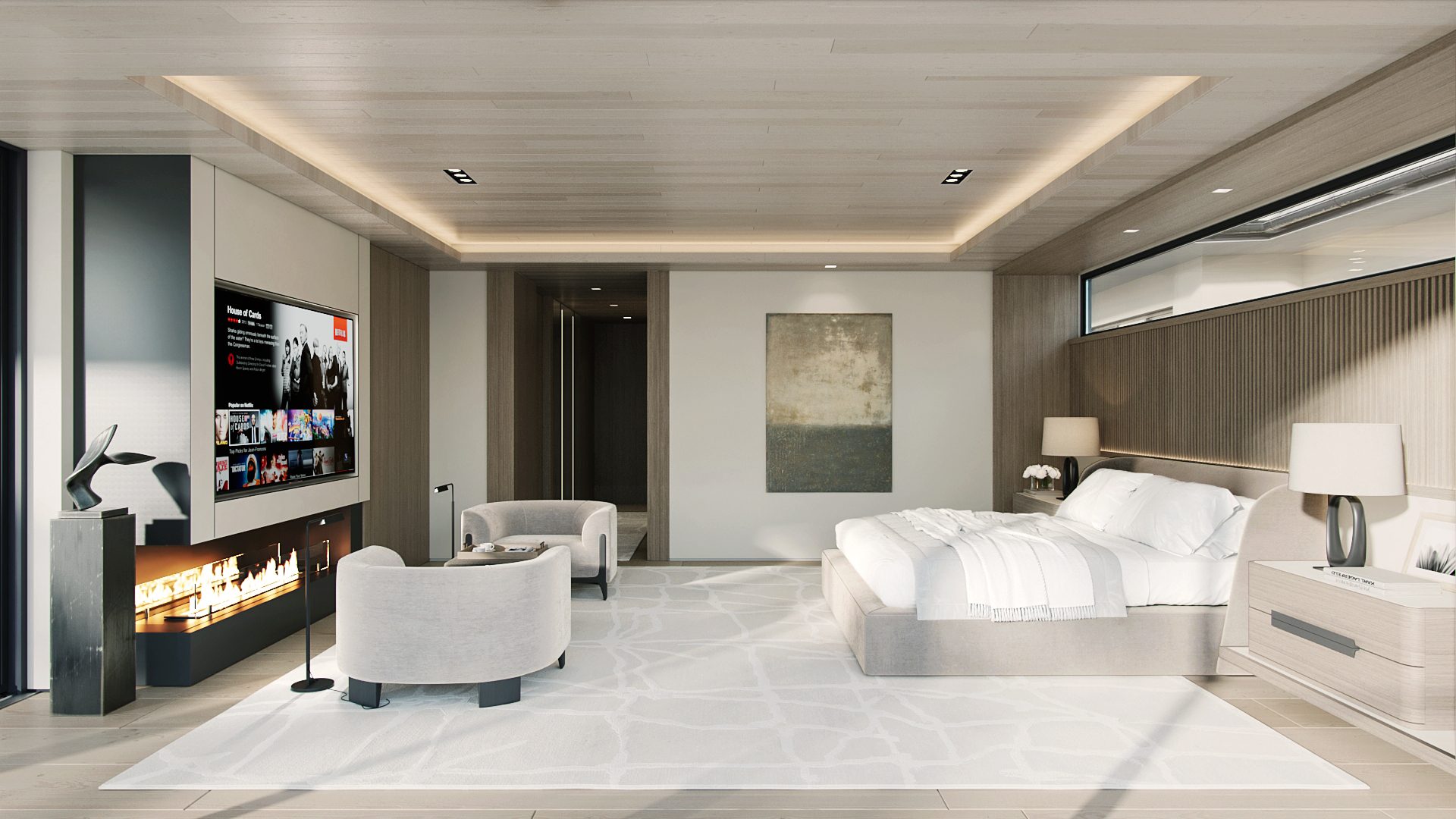
Plaster, travertine, pale oak, soapstone
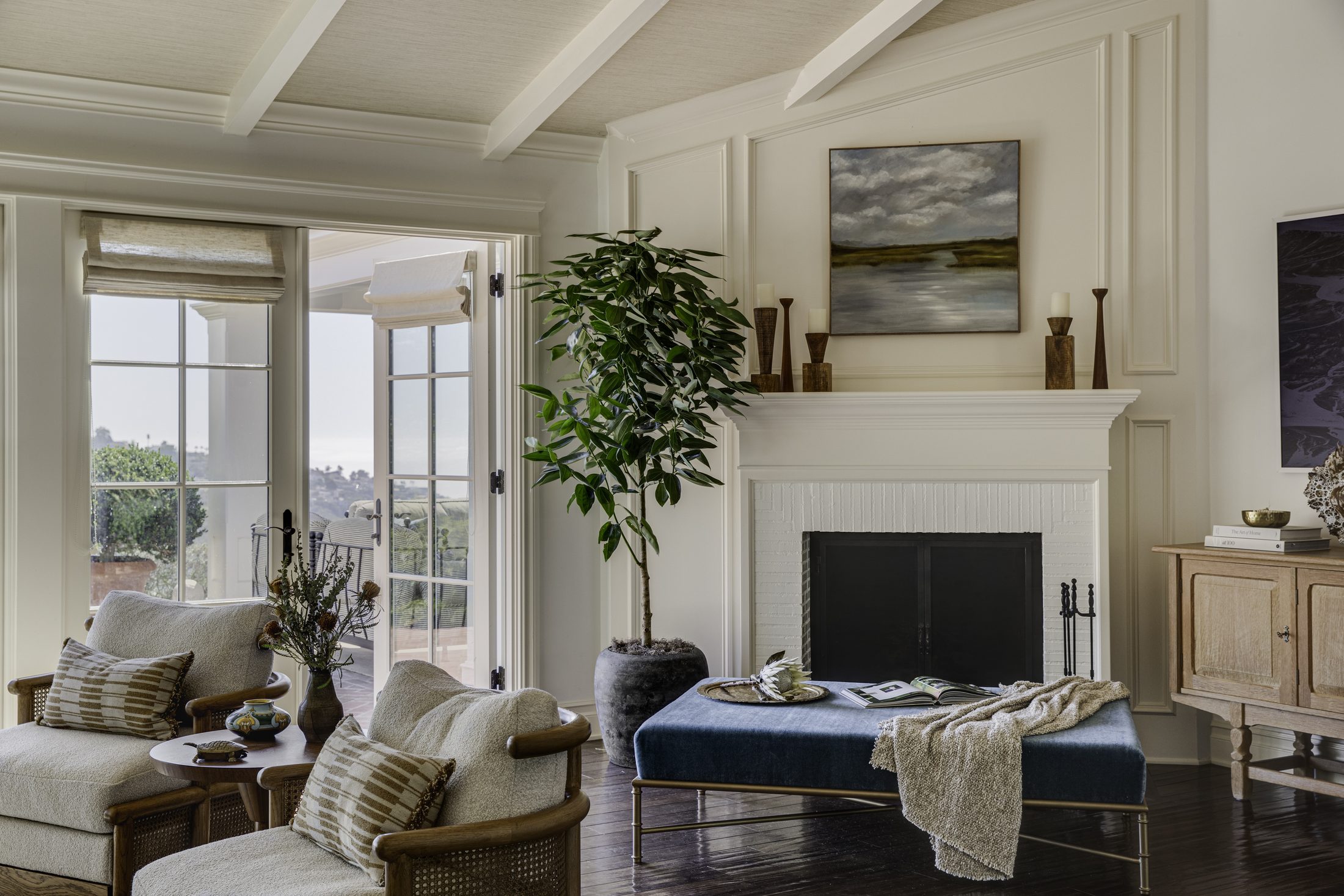
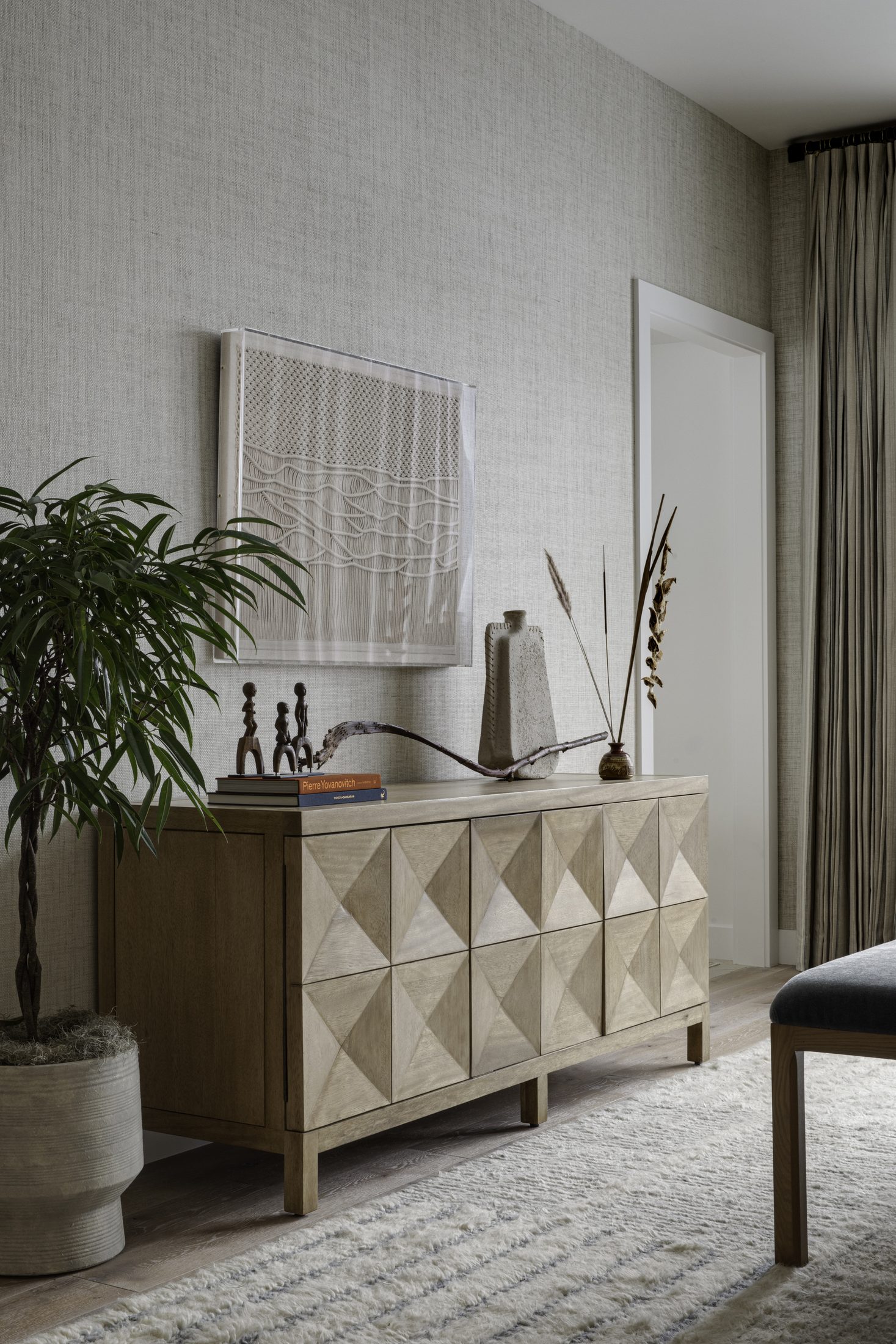
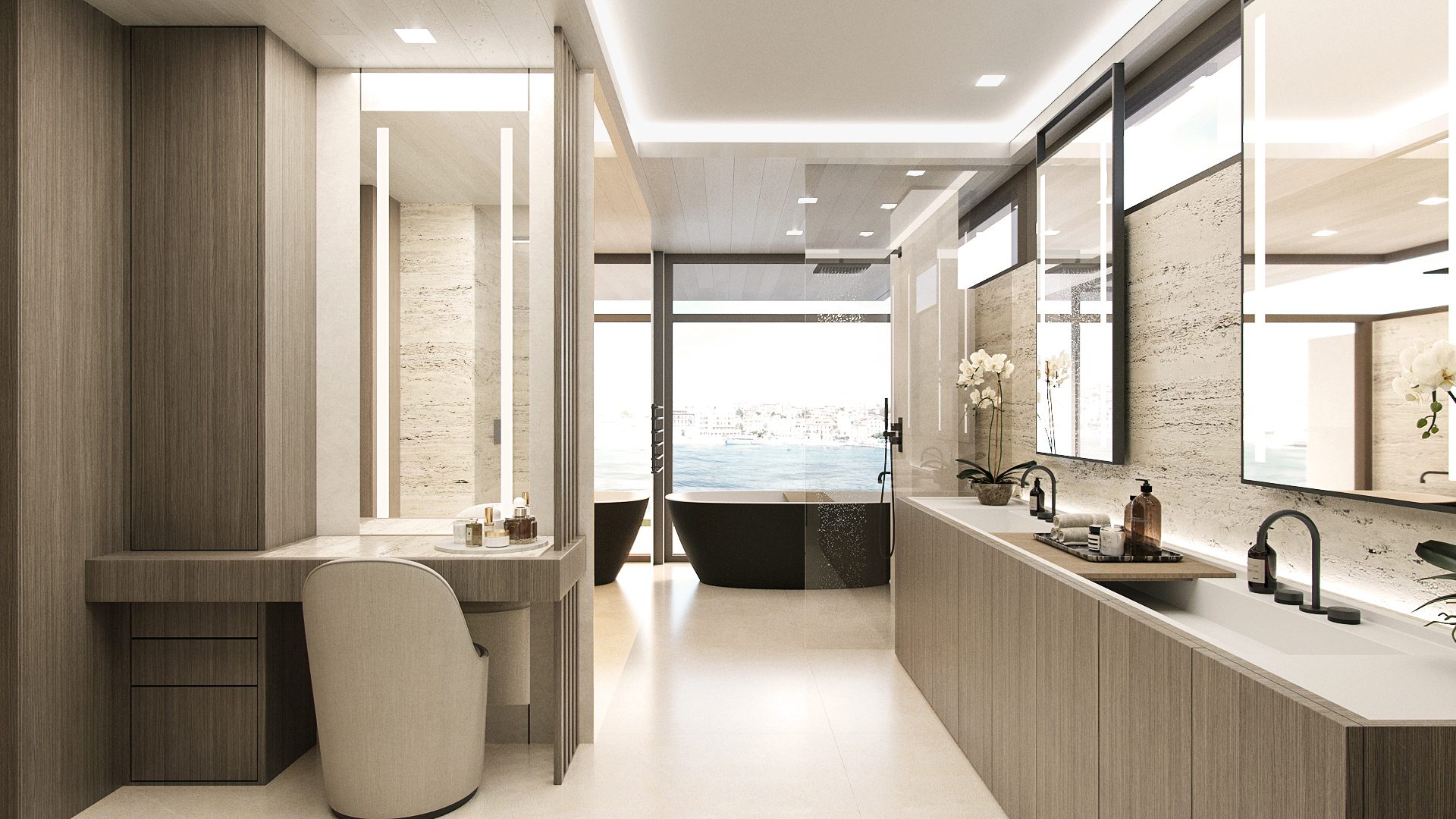
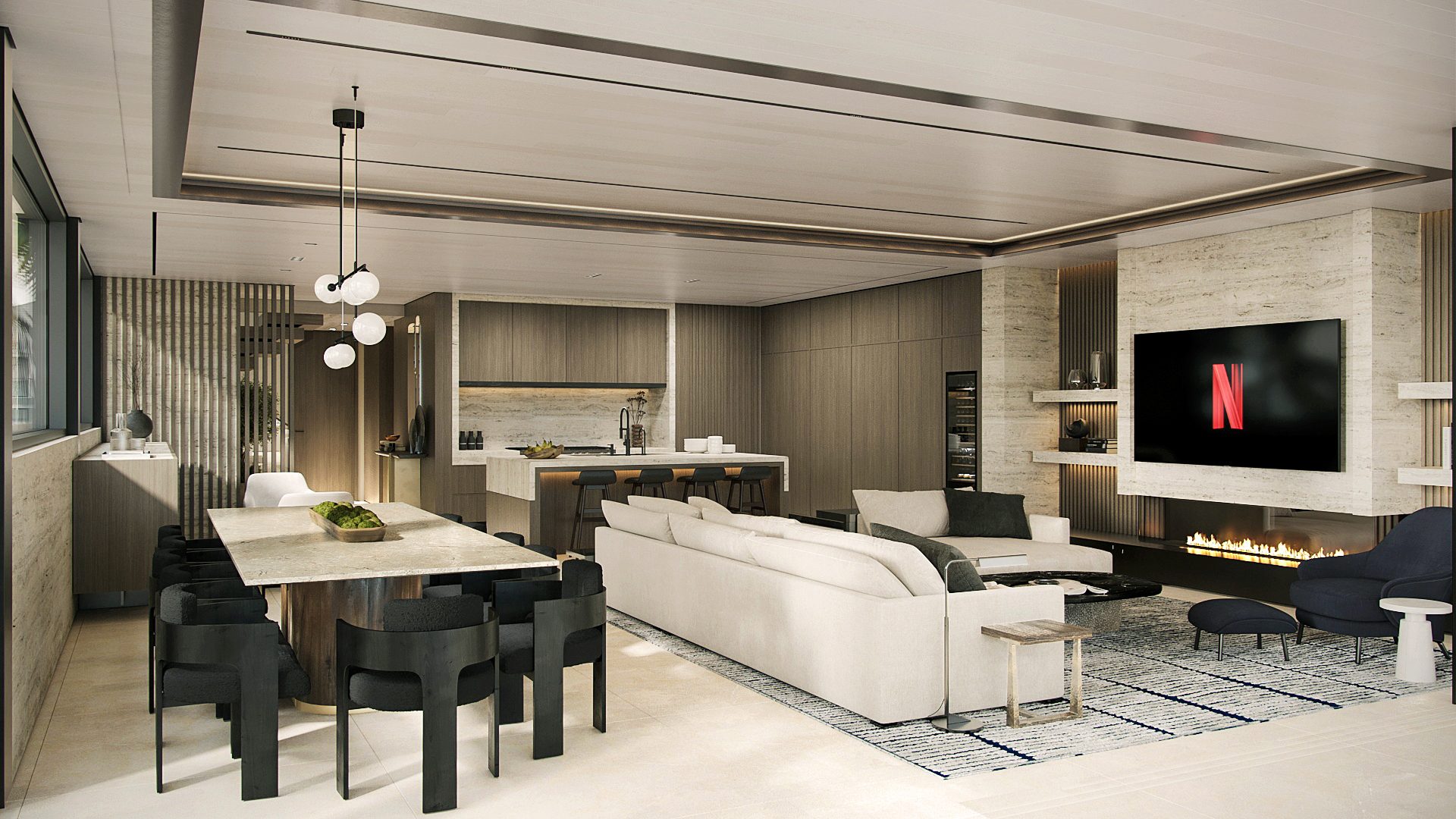
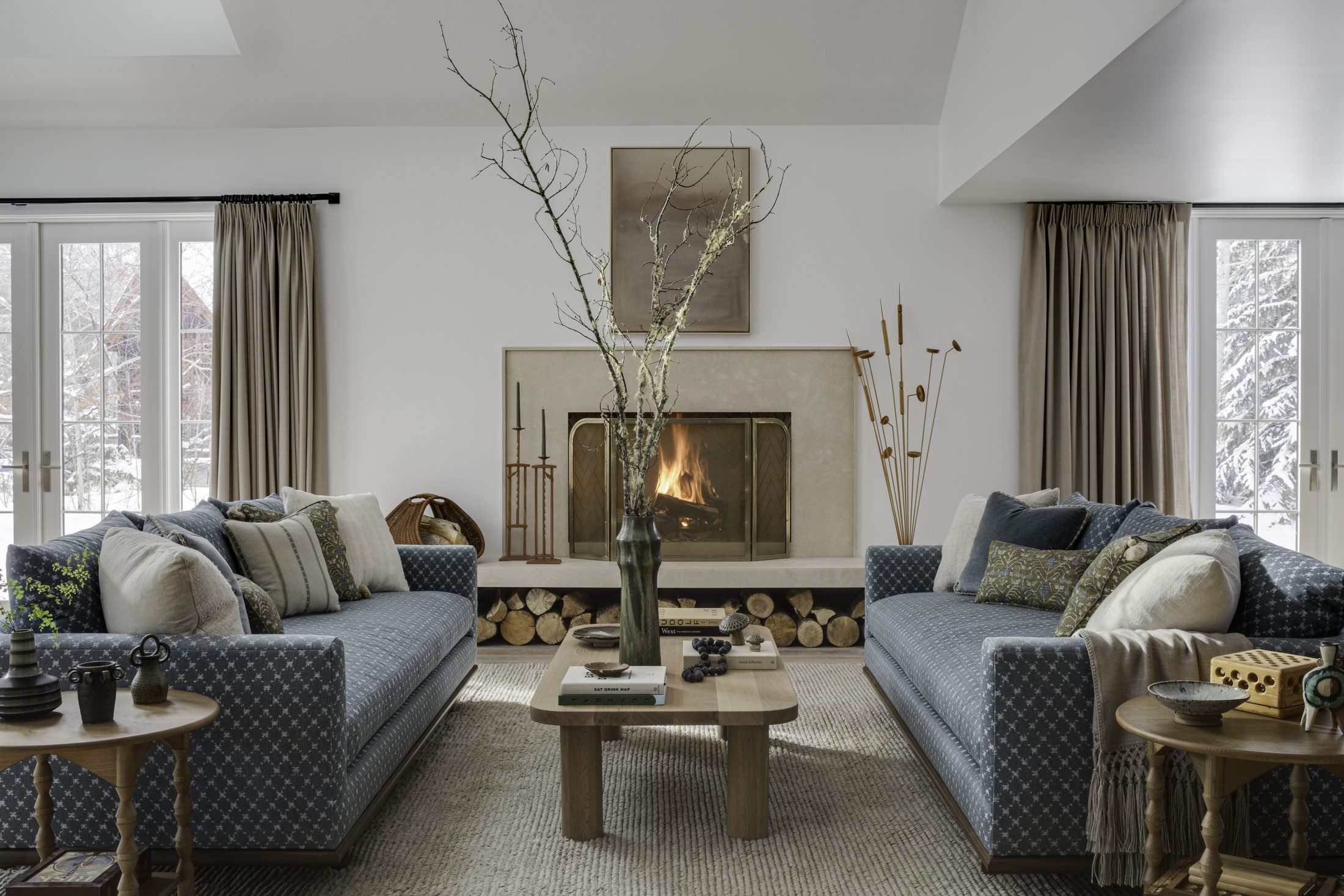
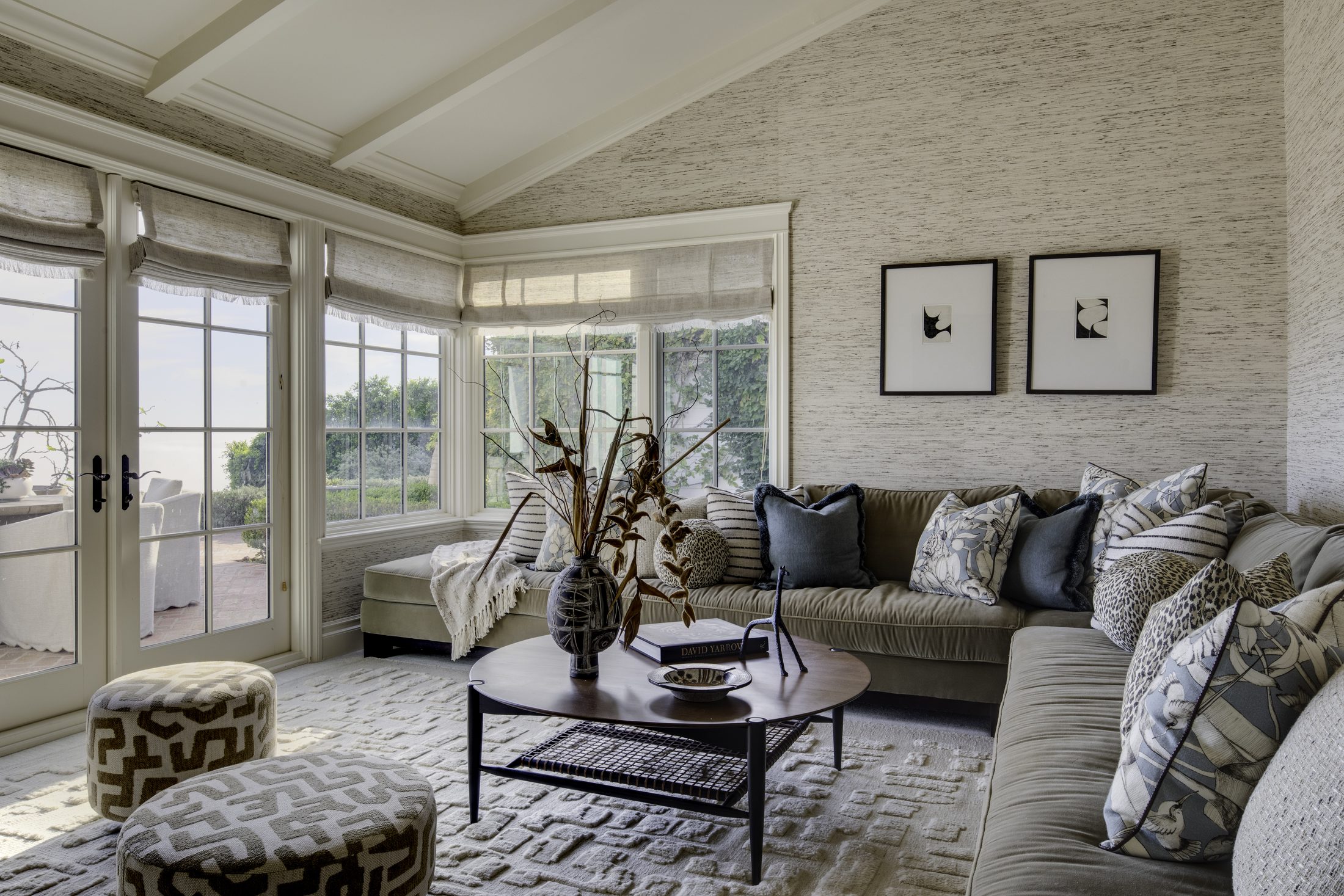
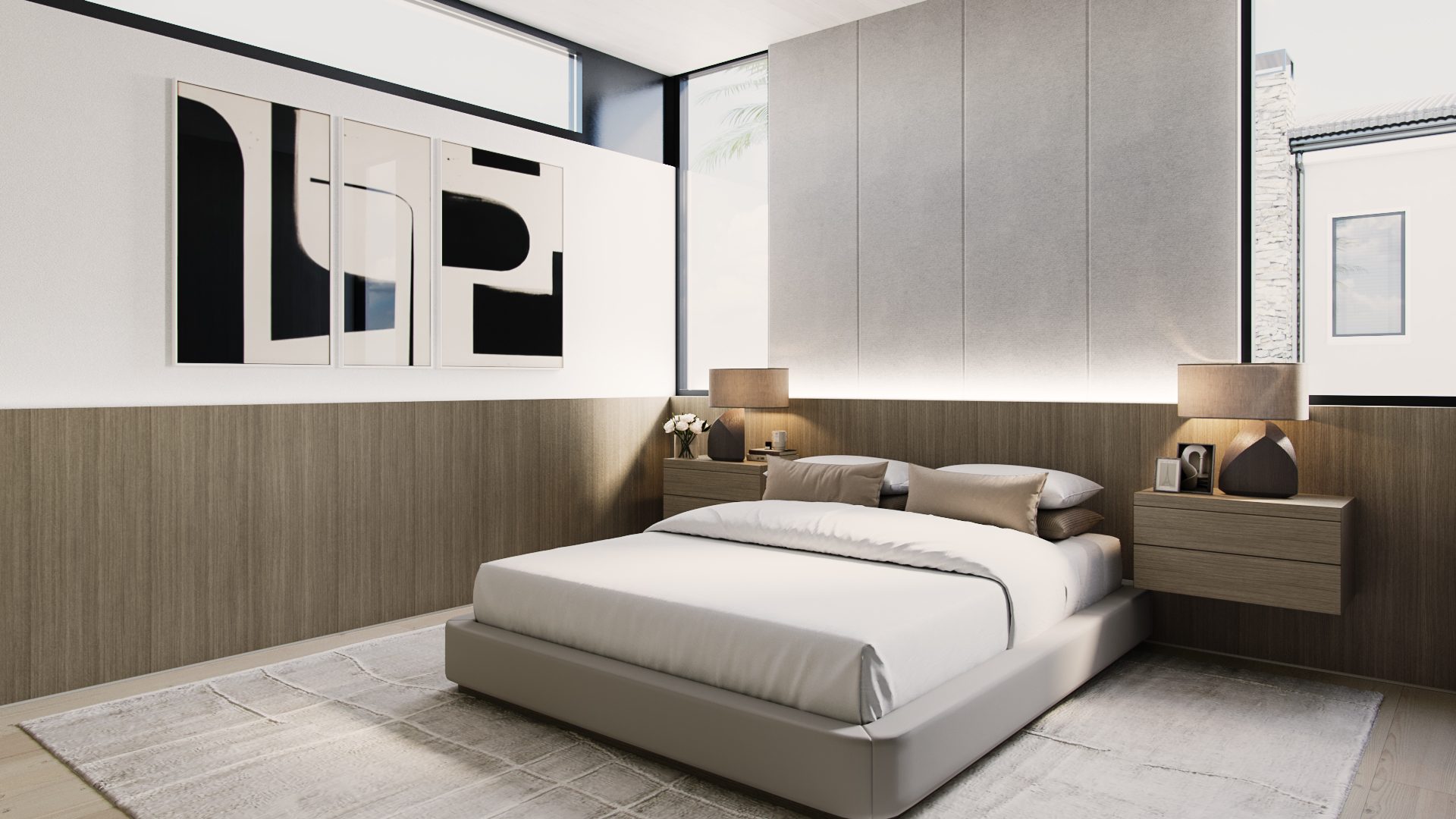
The quieter rooms are built from surfaces that carry their own texture. Plaster, stone, and rift oak do the work that pattern would otherwise do, so the palette reads warm rather than blank.
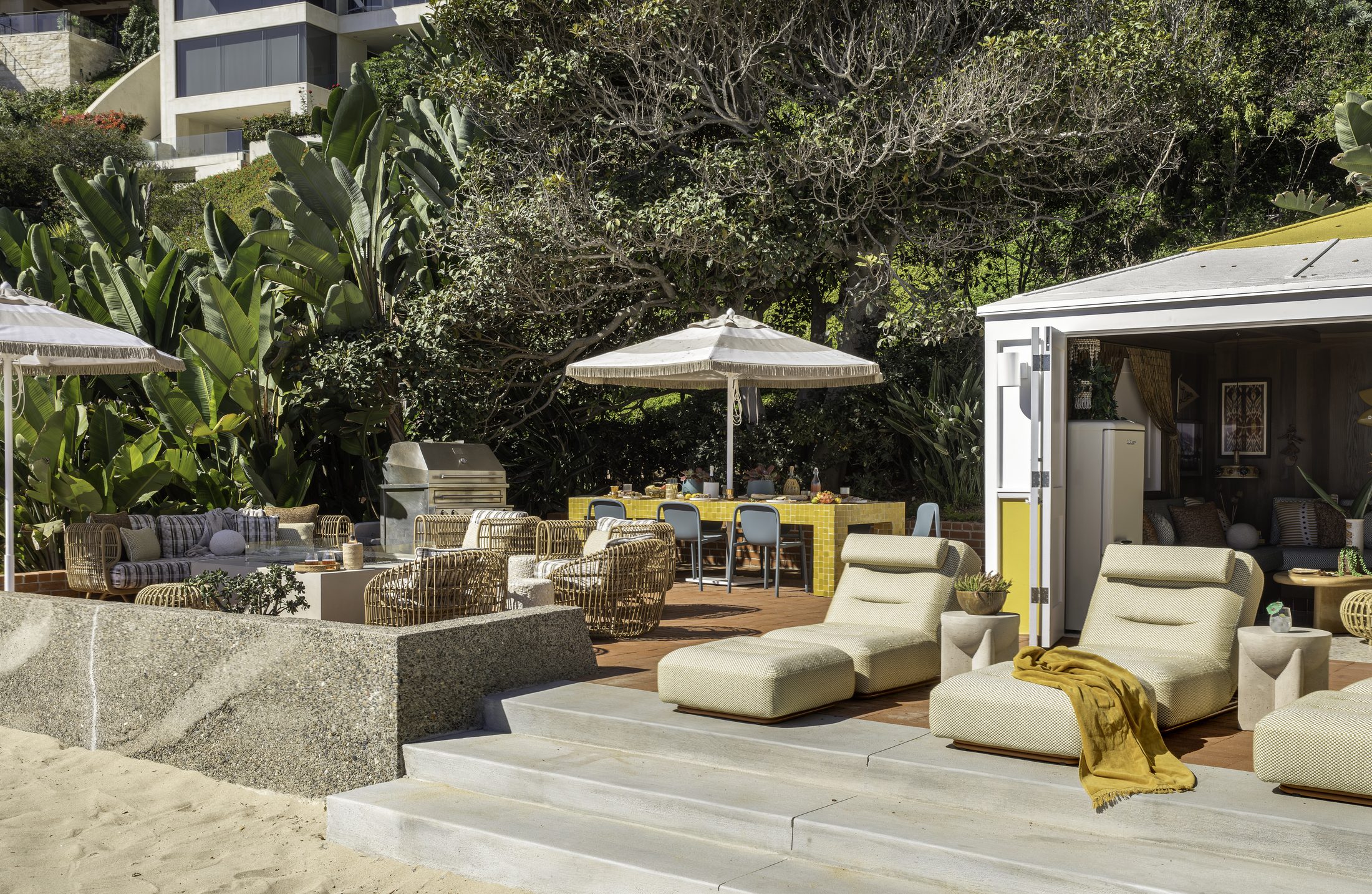
Living outdoors
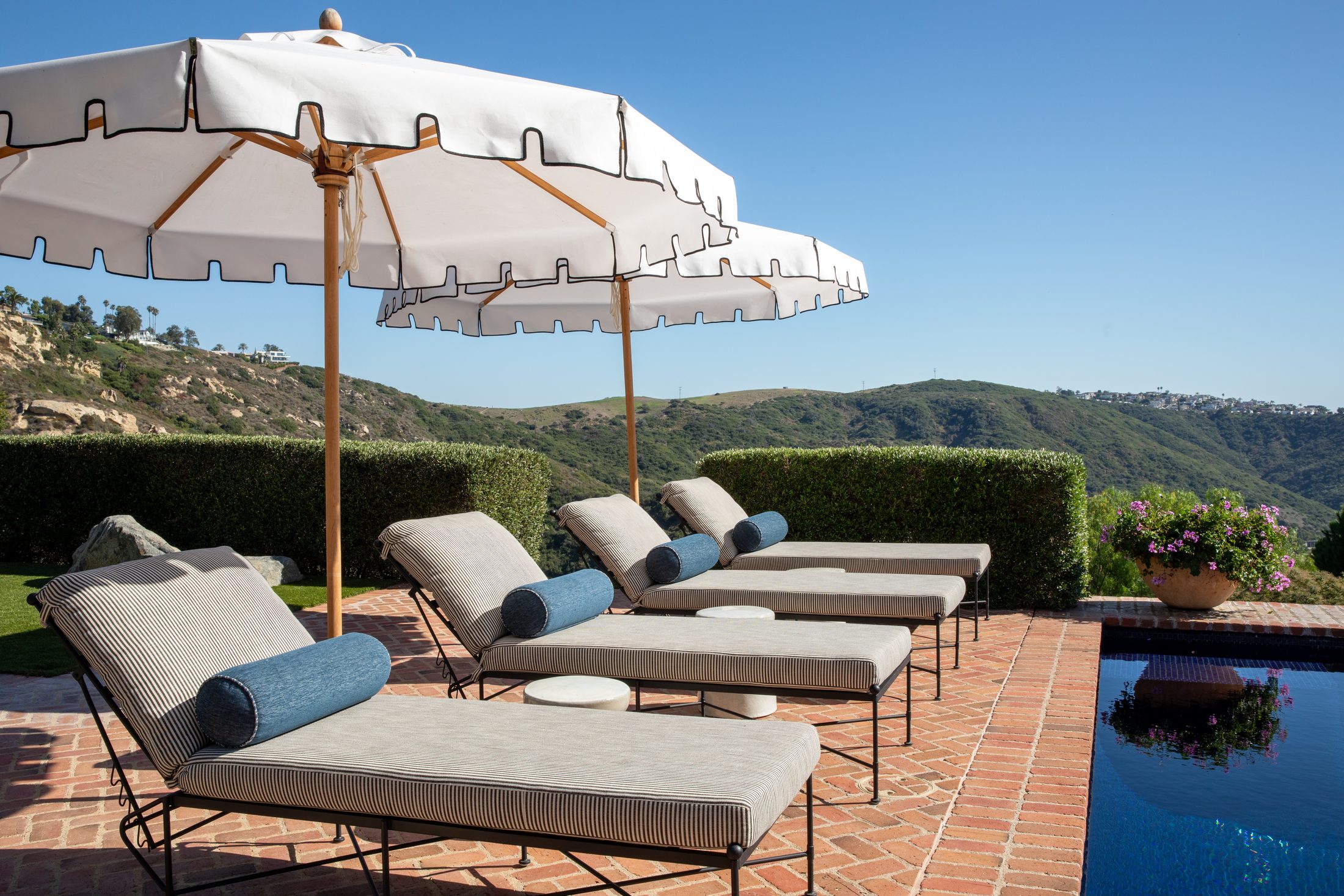
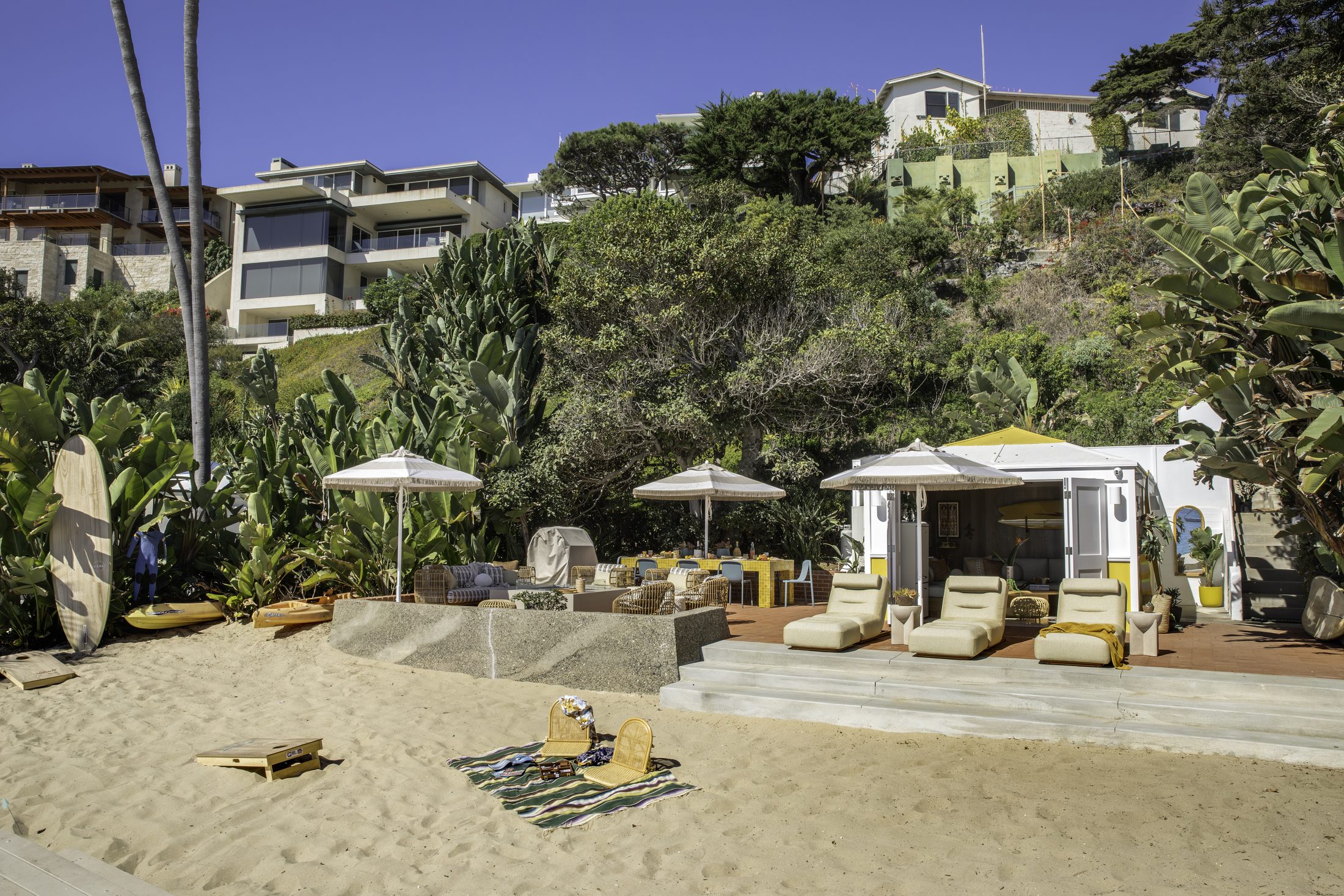
Terraces, loggias, cabanas, pool gardens
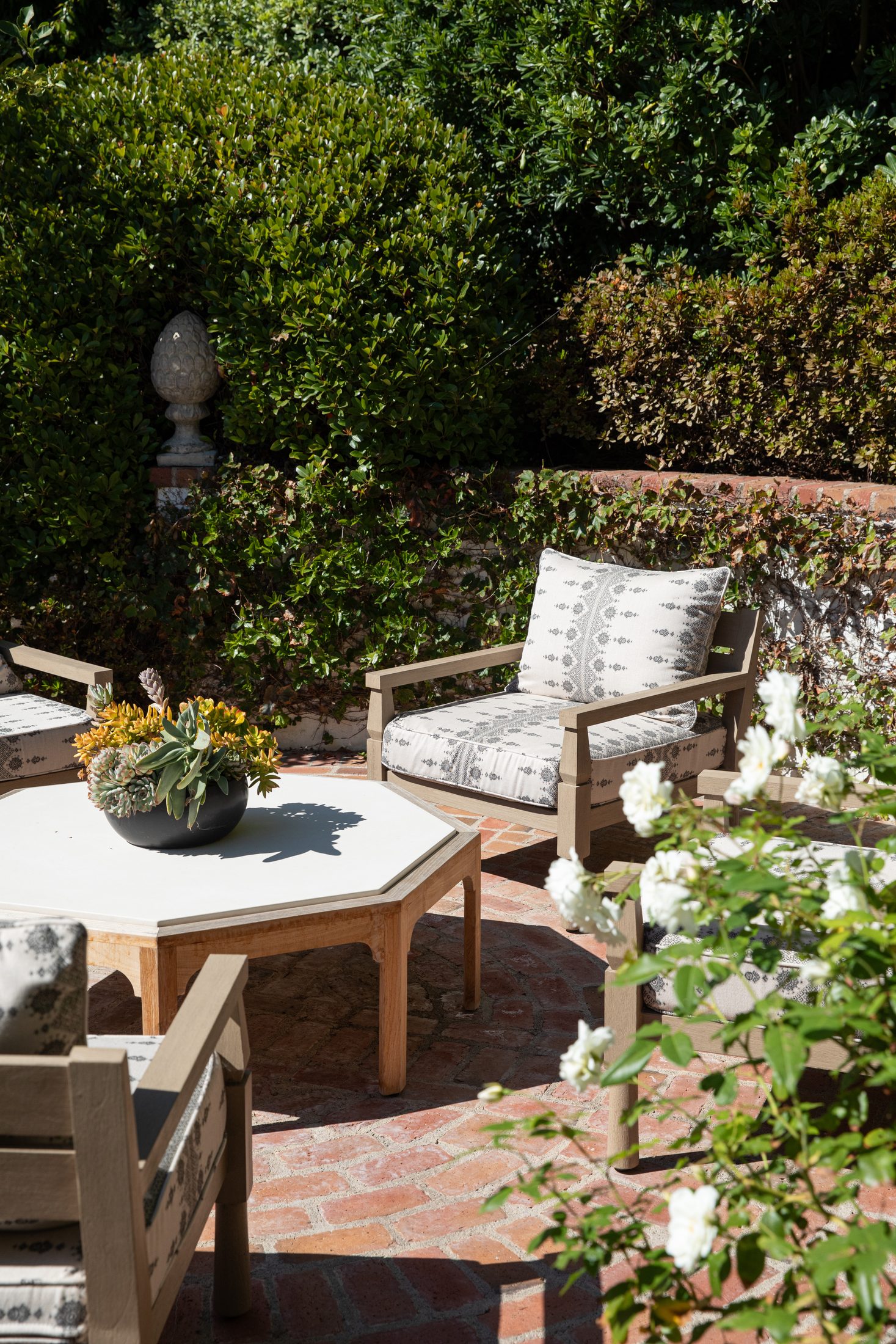
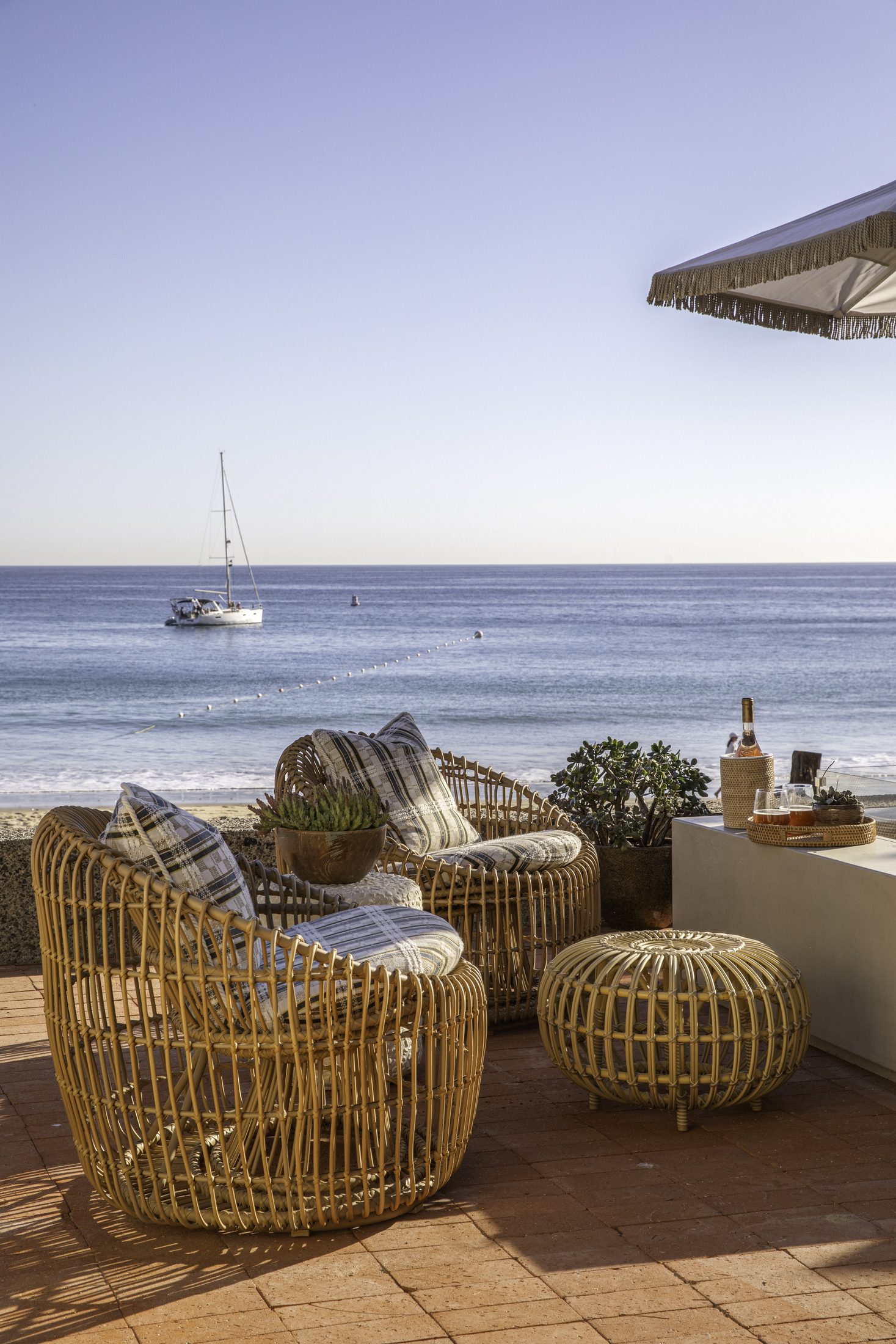
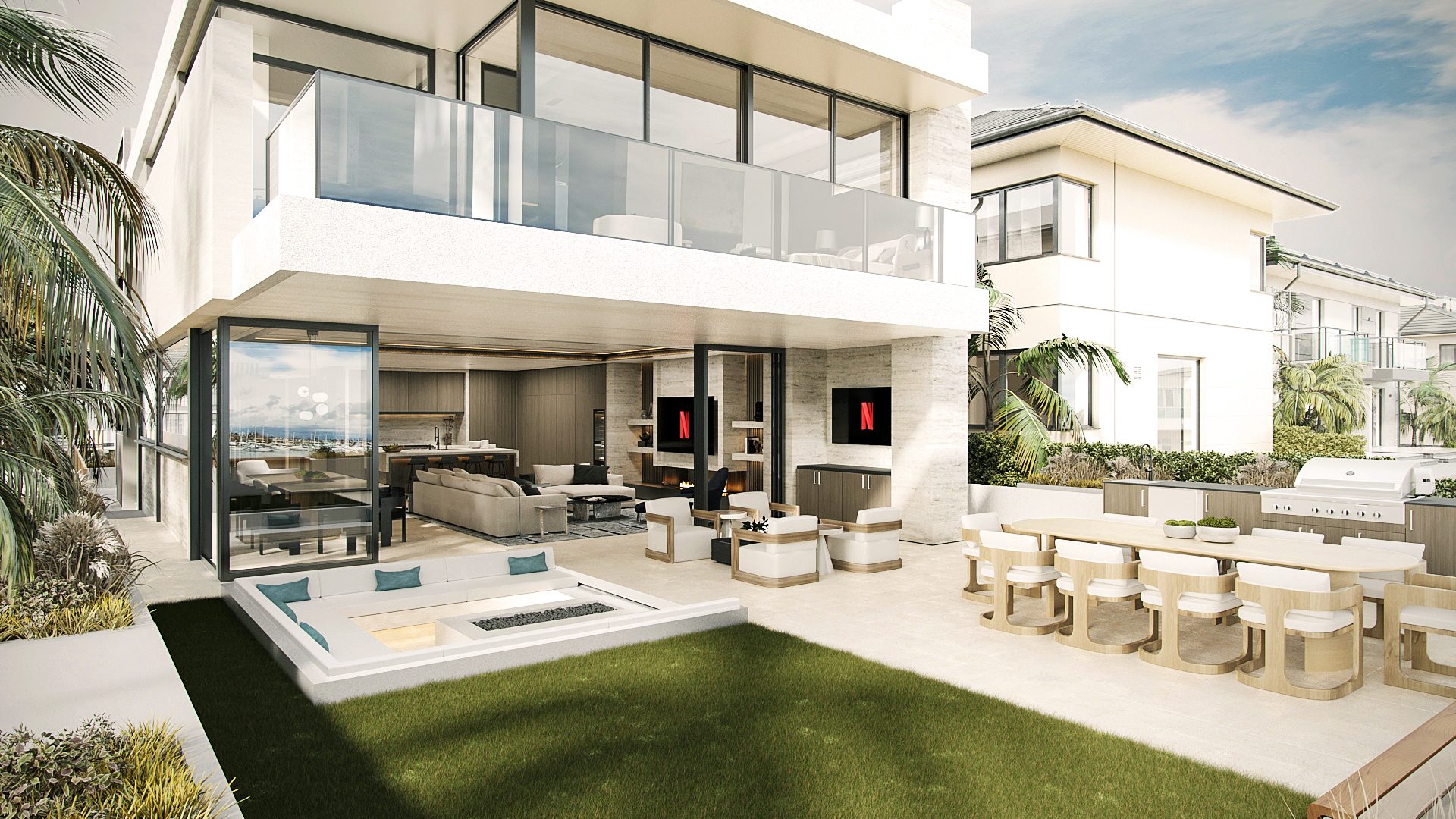
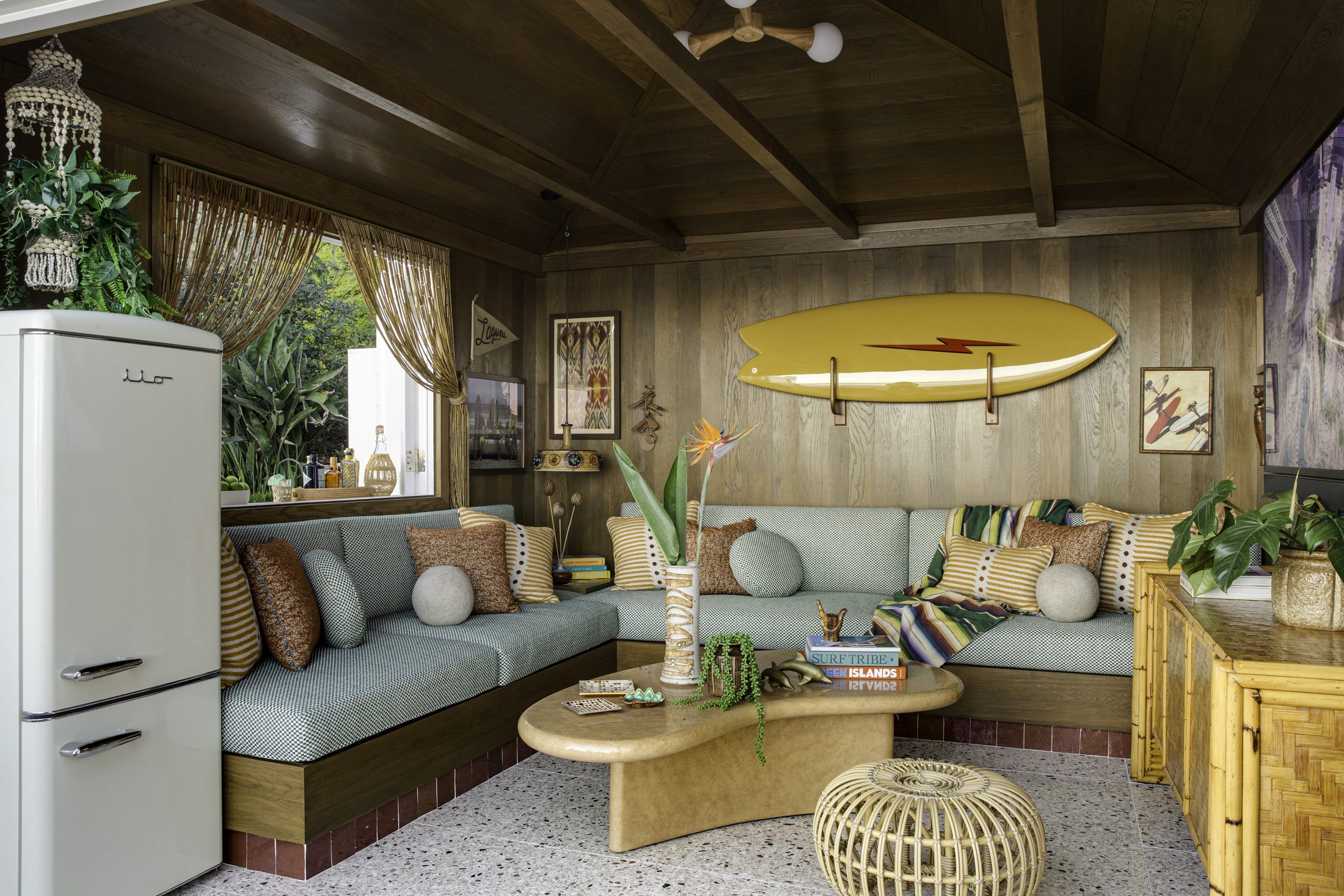
In California the plan doesn't stop at the wall. Terraces, covered loggias, and cabanas are furnished with the same care as the living room — shade, seating, surfaces, and a reason to stay past sunset.
Kitchens that work
Millwork, tile, and the range wall
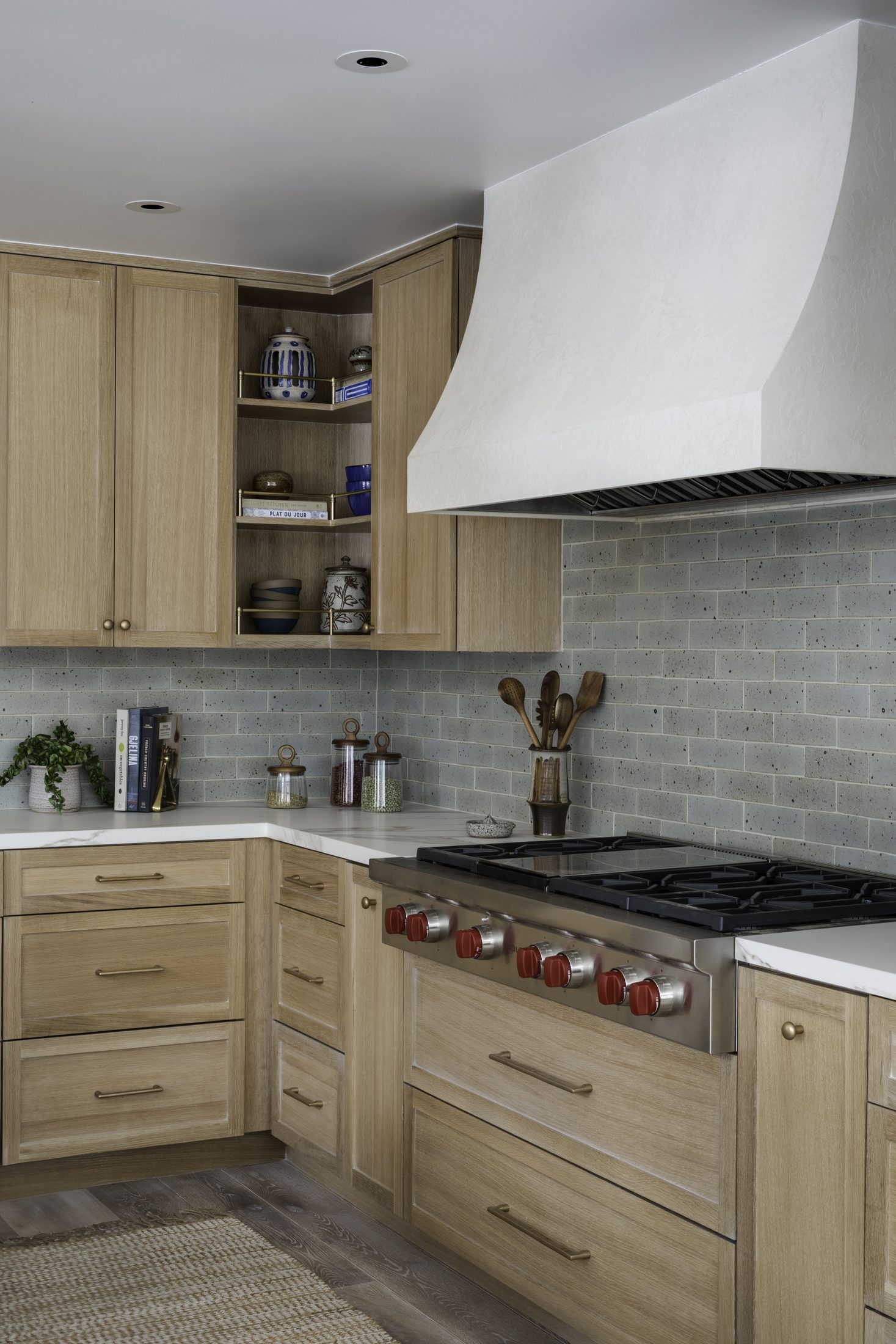
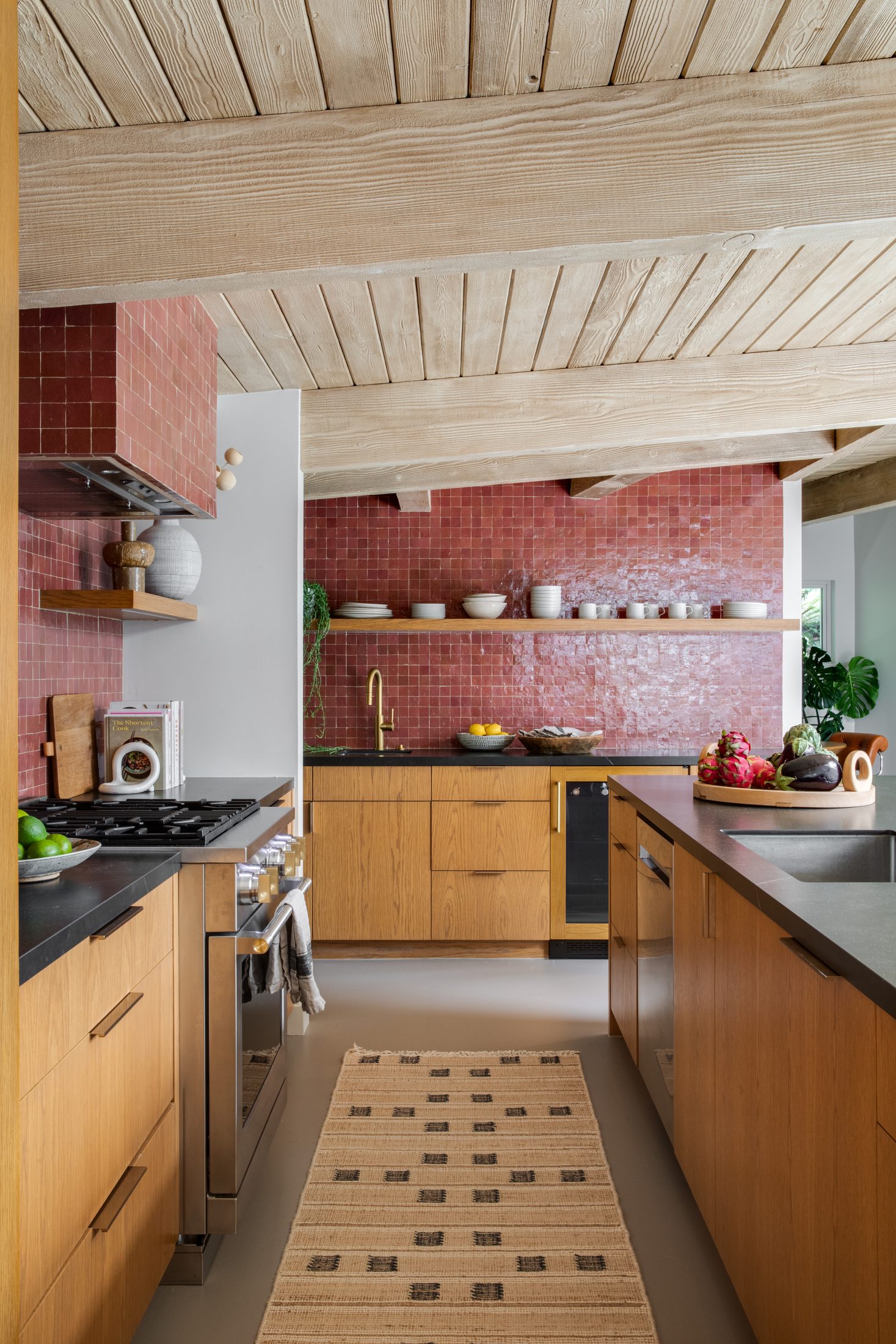
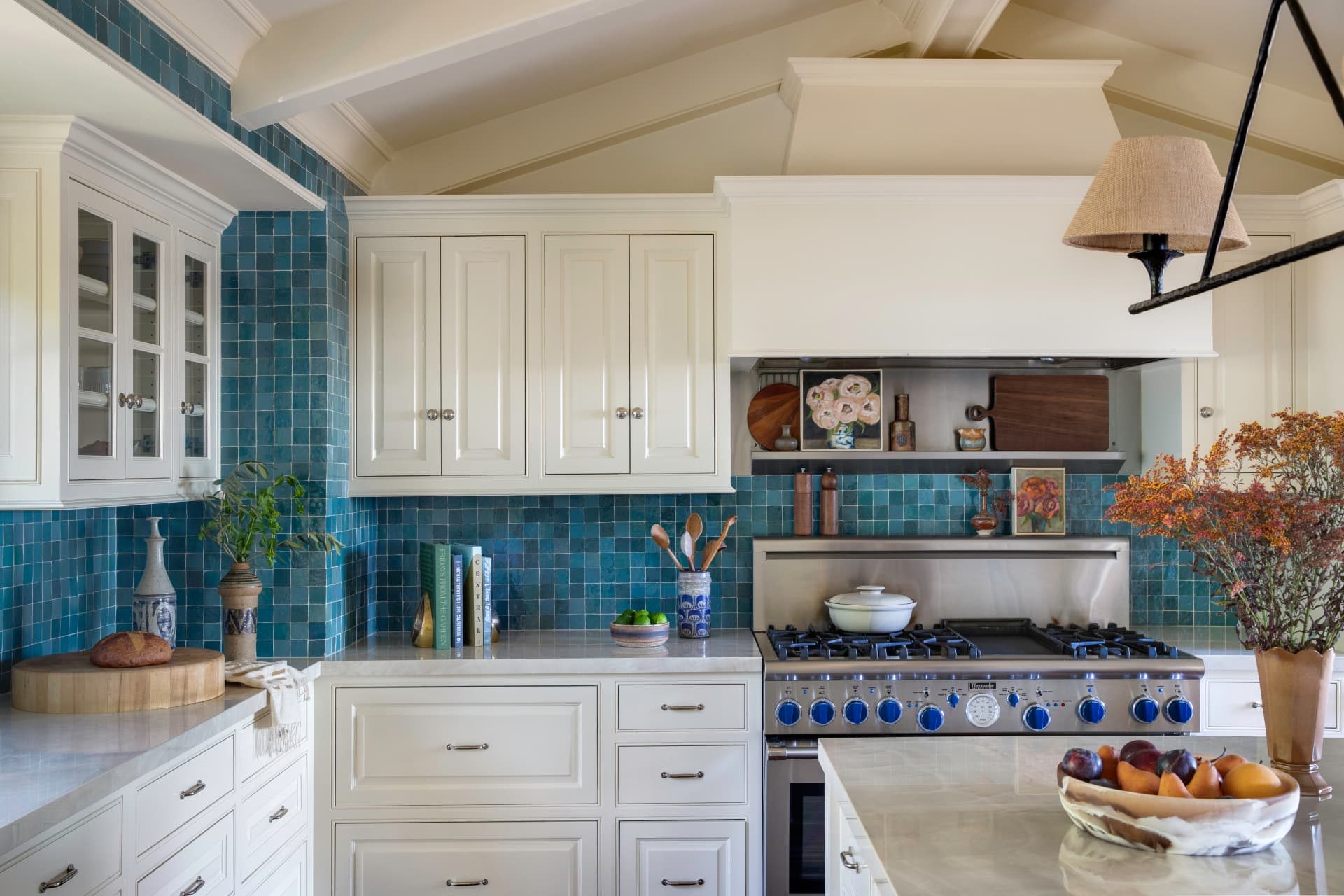
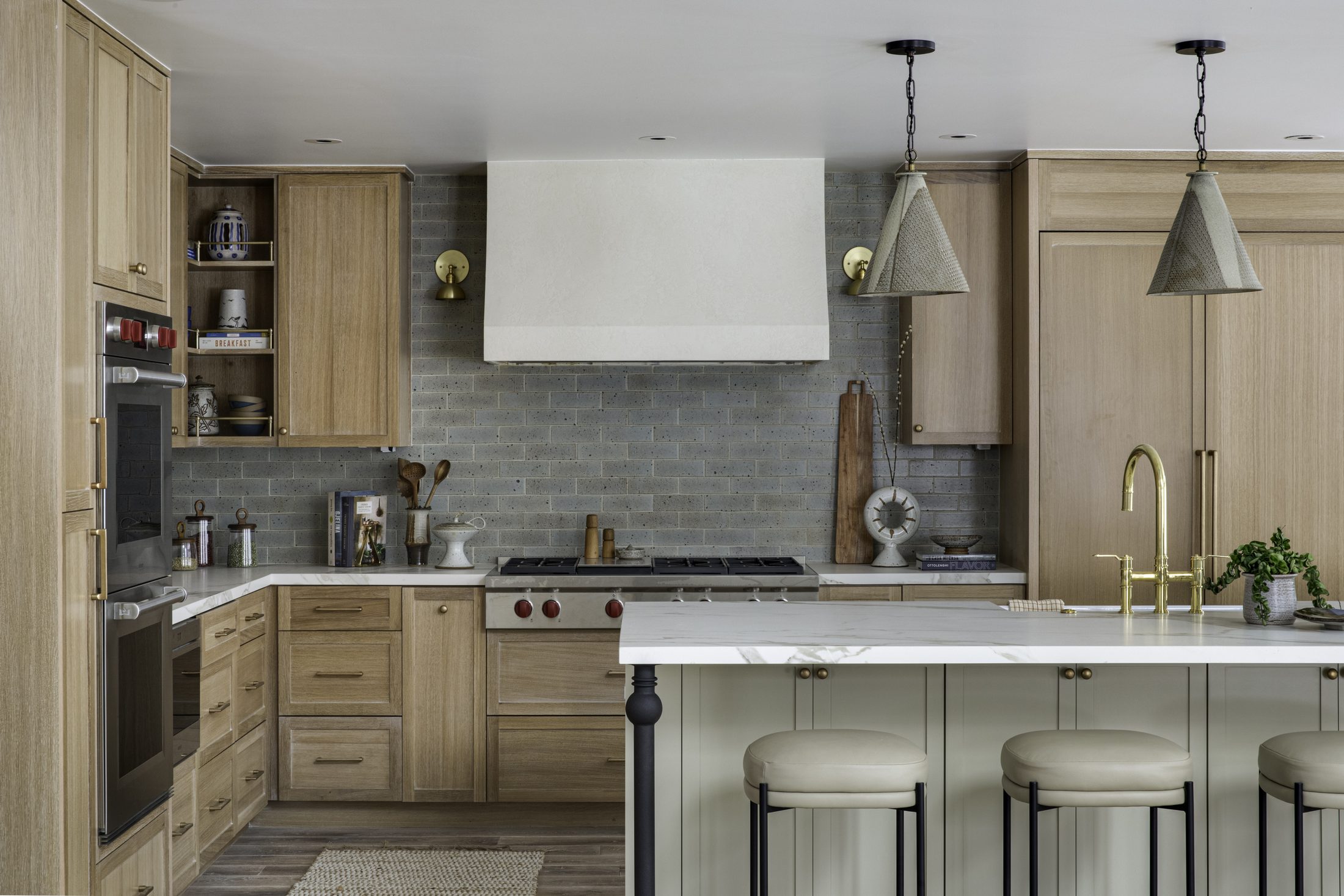
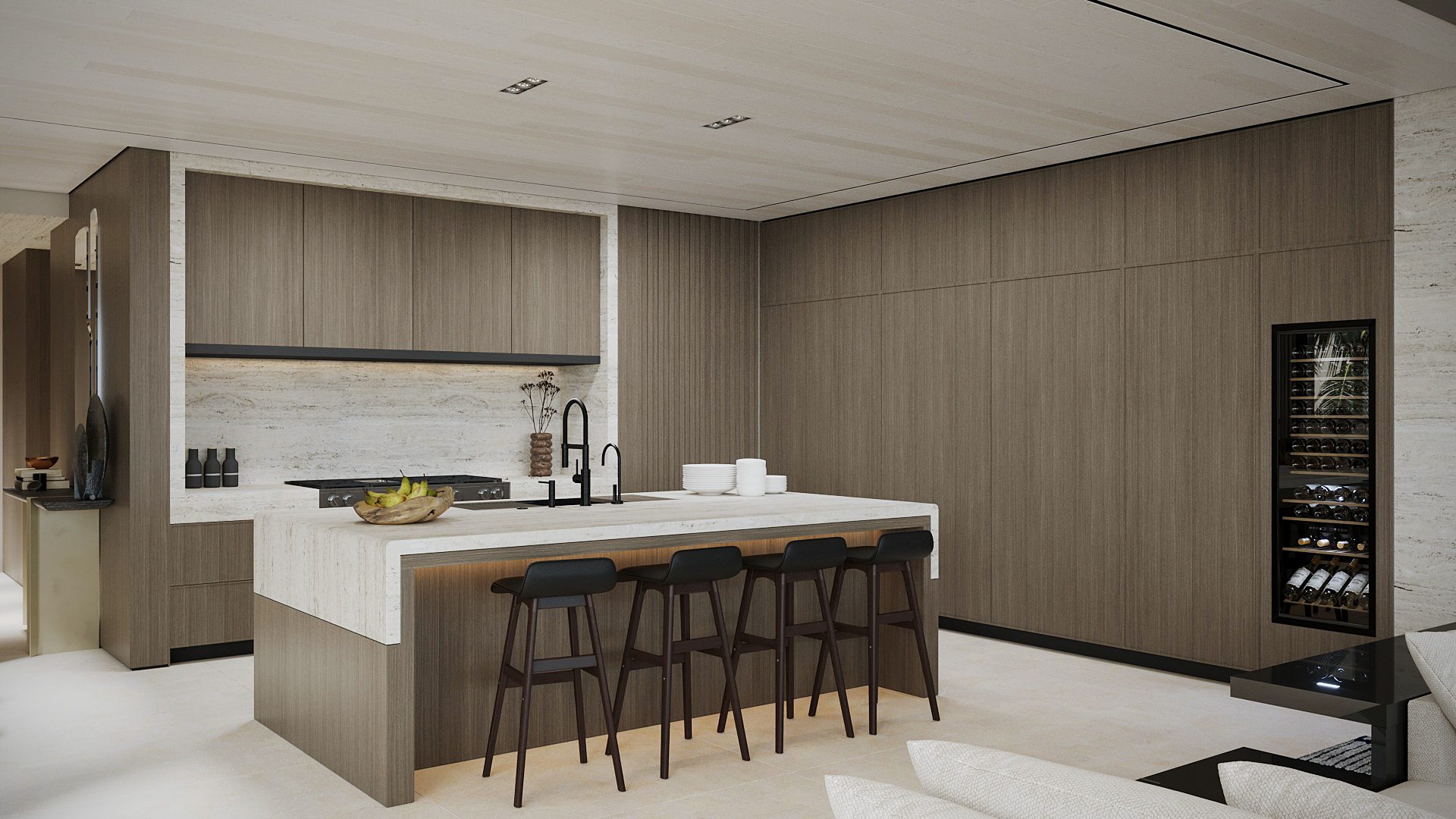
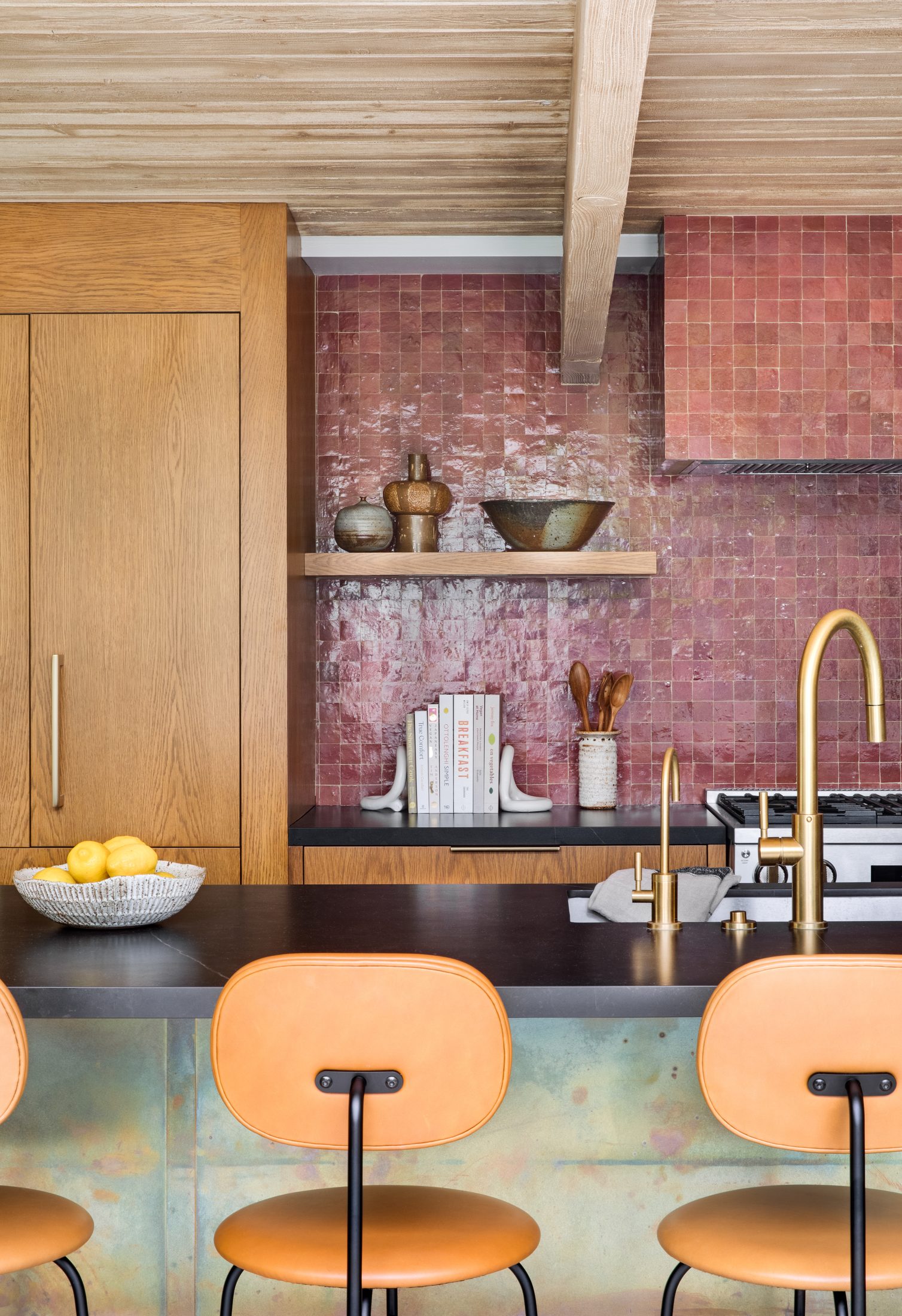
Every kitchen is planned around how the family actually cooks, then given one clear material idea — a tiled backsplash, a plaster hood, a stone island — so it belongs to the house instead of standing apart from it.
Upholstery and texture
Ticking, shearling, boucle, woven rush
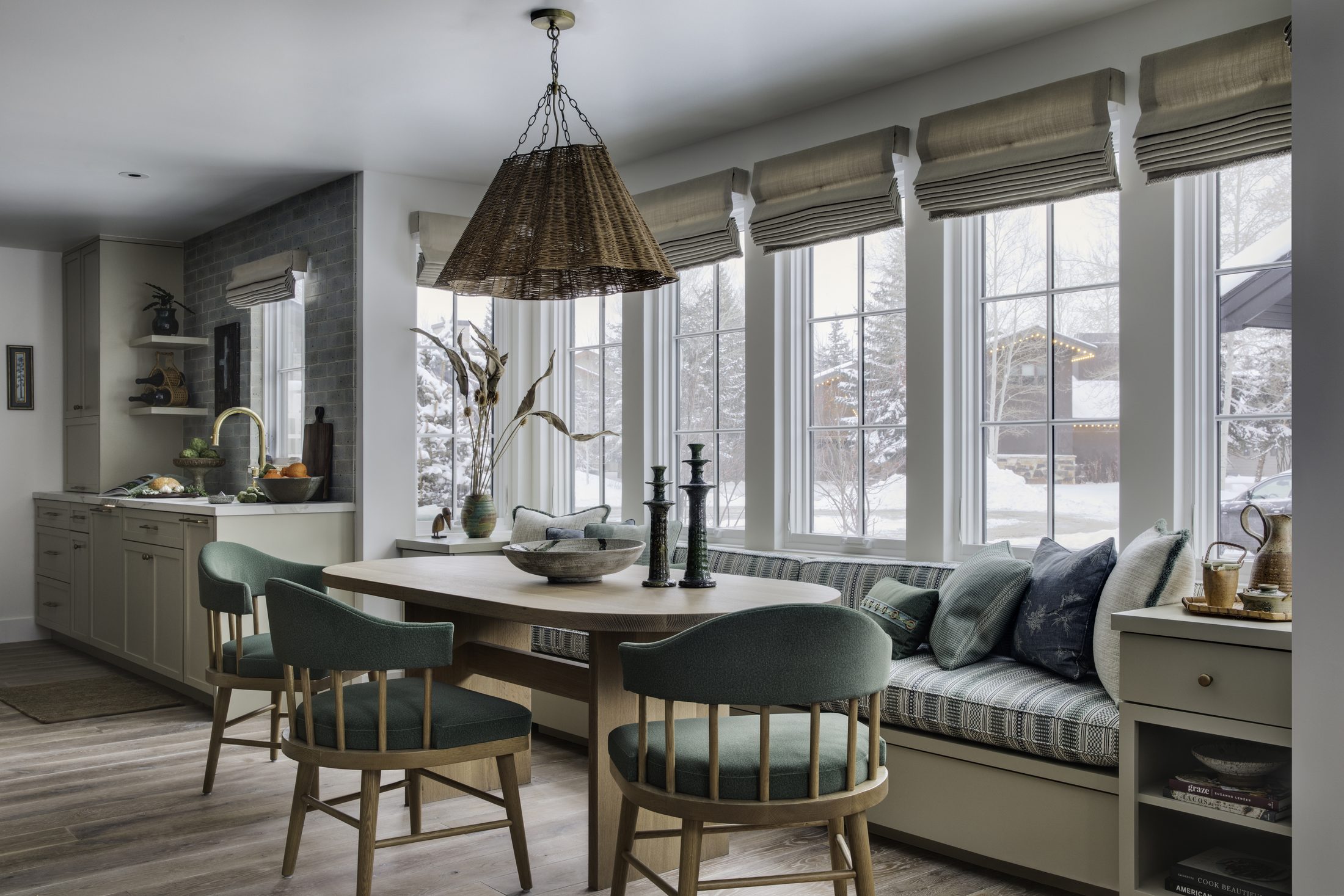
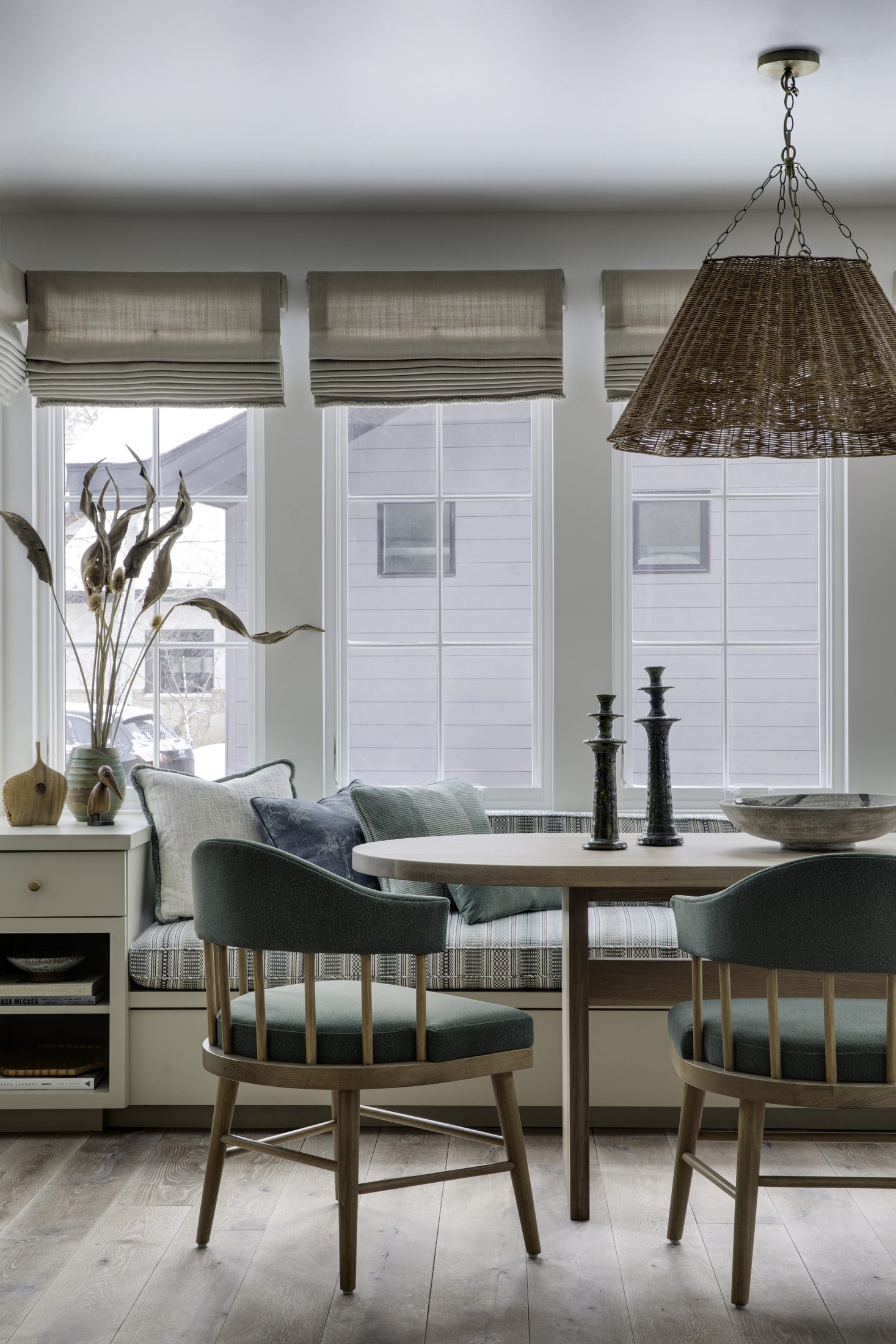
Softness is where a room becomes comfortable enough to live in. Seating is layered in textiles chosen for the way they age — striped ticking, shearling, loose linen, and woven rush against hard architecture.
It's in the details
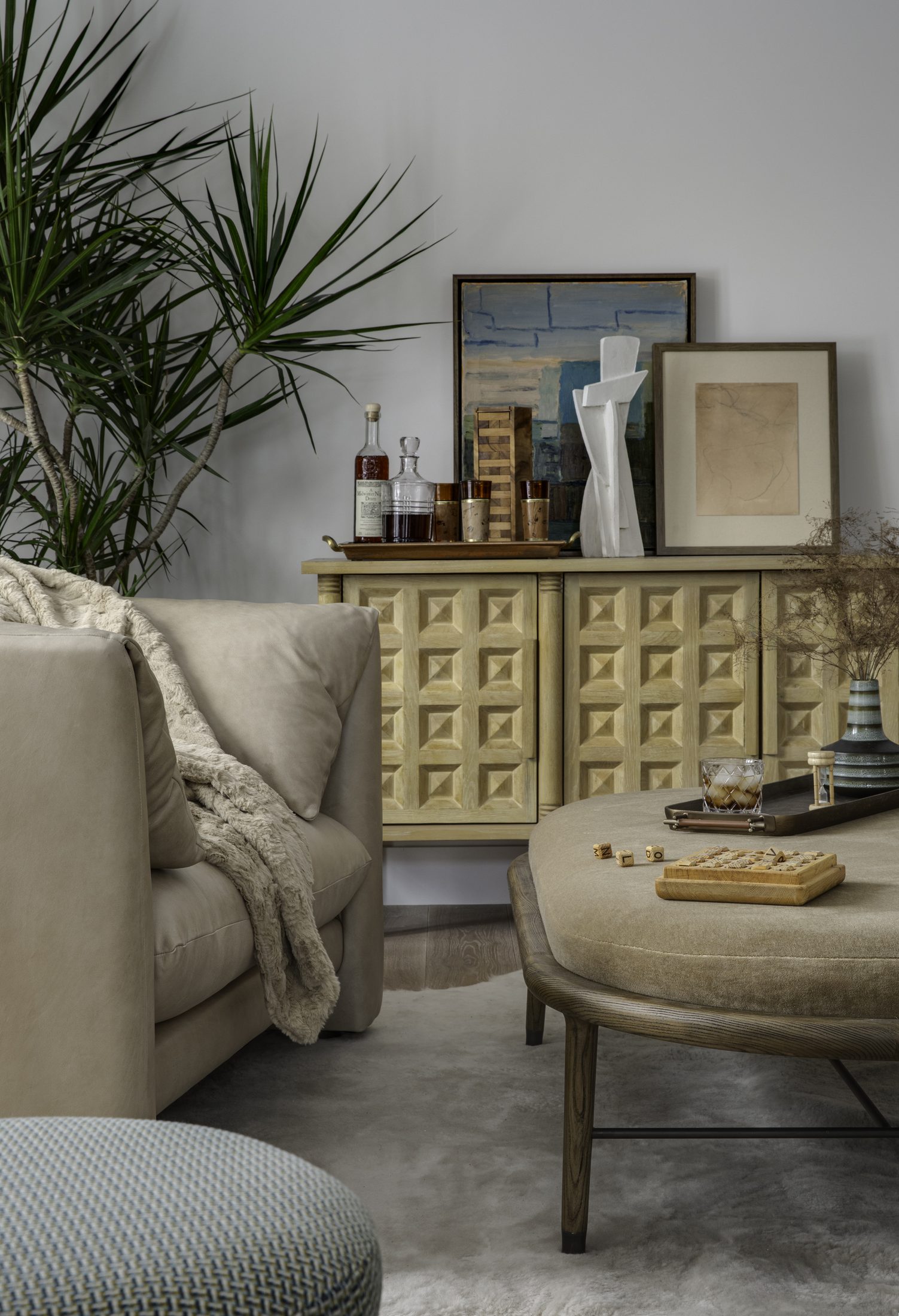
Vintage, art, and the things on the table
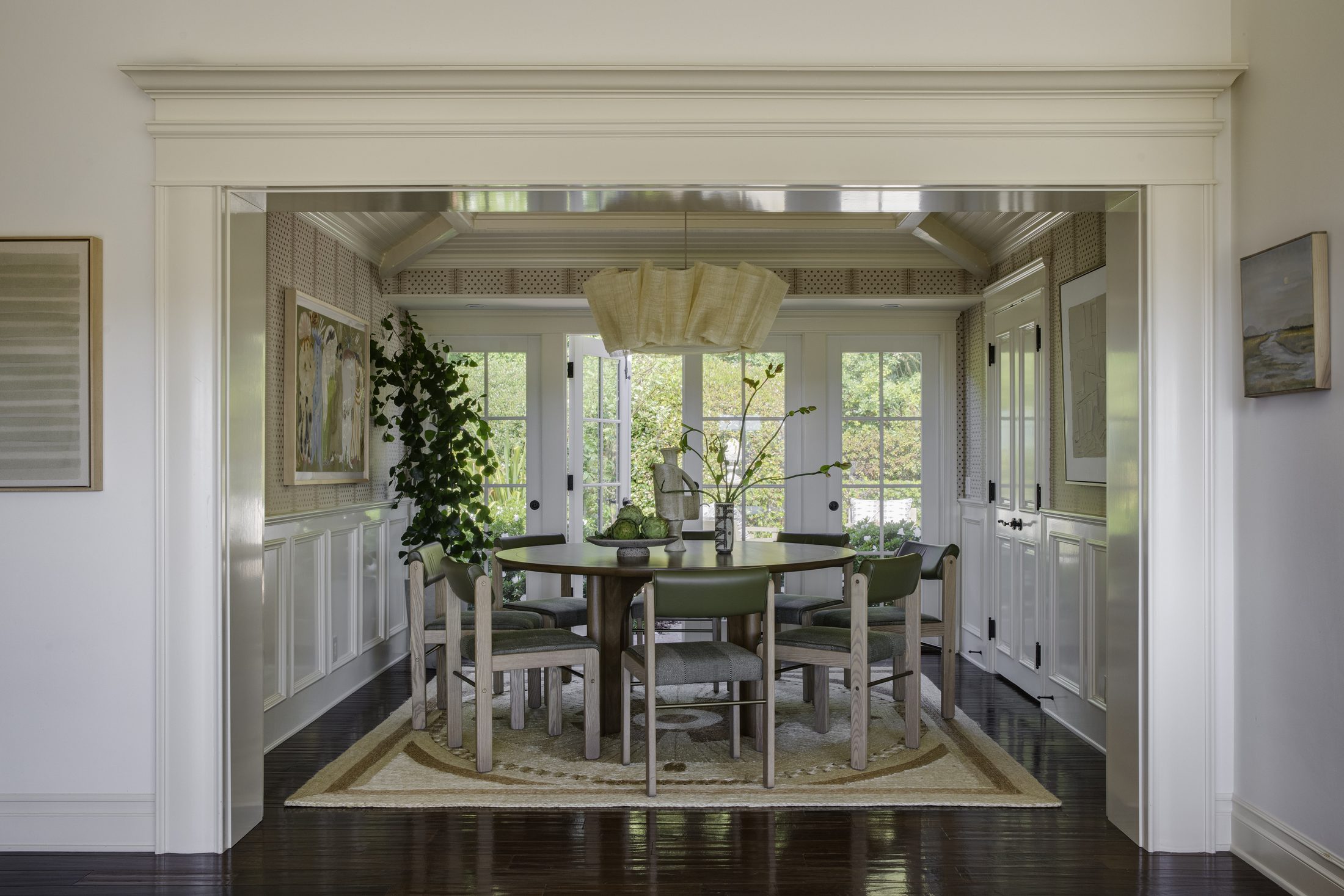
The last layer is the personal one. Vintage finds, collected art, ceramics, and a table set for the afternoon are what keep a finished room from feeling like it was delivered all at once.